

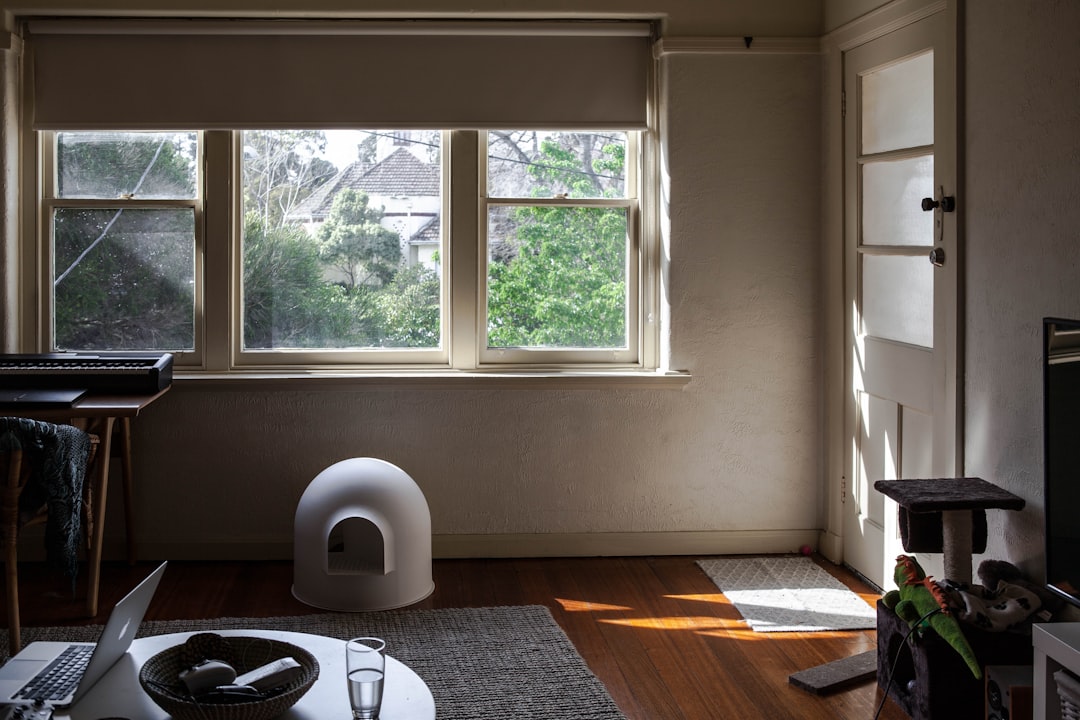
Maintaining a dust-free home is not just about aesthetics; it plays a crucial role in promoting a healthy living environment. Dust is composed of a variety of particles, including dirt, pollen, pet dander, and even microscopic organisms. When these particles accumulate, they can trigger allergies and respiratory issues, particularly in sensitive individuals.
For families with children or elderly members, a clean and dust-free home is essential to ensure their well-being. Regular dusting can significantly reduce the risk of health problems and create a more comfortable atmosphere for everyone. Moreover, a dust-free home contributes to the longevity of your belongings.
Dust can settle on furniture, electronics, and other surfaces, leading to wear and tear over time. For instance, dust accumulation on electronic devices can cause overheating and malfunctions. By keeping your home dust-free, you not only enhance the air quality but also protect your investments.
A clean environment fosters a sense of peace and relaxation, making it easier to unwind after a long day. Thus, the importance of maintaining a dust-free home extends beyond health; it encompasses overall well-being and the preservation of your living space.
Key Takeaways
- Keeping your home dust-free is important for maintaining a healthy and clean living environment.
- Essential tools for dusting include microfiber cloths, dusters, and vacuum cleaners with HEPA filters.
- Choose cleaning products that are specifically designed to capture and remove dust without spreading it around.
- Use long-handled dusters and extension wands to reach high and difficult-to-access areas for thorough dusting.
- Create a regular dusting schedule to stay on top of dust build-up and maintain a clean and healthy home environment.
Essential Tools for Dusting
To effectively combat dust, having the right tools at your disposal is essential. A microfiber cloth is one of the most effective tools for dusting surfaces. Unlike traditional cloths, microfiber traps dust particles rather than just moving them around.
This makes it an excellent choice for cleaning furniture, shelves, and other surfaces where dust tends to accumulate. Additionally, using a duster with an extendable handle can help you reach high places like ceiling fans and light fixtures without the need for a ladder. Another indispensable tool is a vacuum cleaner equipped with a HEPA filter.
These filters are designed to trap tiny particles, ensuring that dust is not just redistributed into the air during cleaning. A vacuum cleaner with various attachments can also make it easier to clean upholstery, carpets, and even hard-to-reach corners. For those who prefer a more hands-on approach, a soft-bristle brush can be useful for delicate items such as picture frames or knick-knacks.
By investing in these essential tools, you can make your dusting routine more efficient and effective.
Choosing the Right Cleaning Products

Selecting the right cleaning products is crucial for effective dusting while ensuring that your home remains safe and healthy. Many commercial dusting sprays contain chemicals that can be harmful to both your health and the environment. Opting for natural cleaning solutions can be a great alternative.
For instance, a simple mixture of water and vinegar can effectively cut through dust without leaving harmful residues behind. Essential oils like lemon or lavender can also be added for a pleasant scent while providing additional antibacterial properties. If you prefer store-bought options, look for products labeled as non-toxic or eco-friendly.
These products are formulated to minimize harmful effects on both your health and the planet. Always read labels carefully to ensure that the ingredients align with your values and needs. Additionally, consider using reusable cleaning cloths instead of disposable ones to reduce waste.
By making informed choices about cleaning products, you can create a safe and effective dusting routine that benefits both your home and the environment.
Tips for Dusting Hard-to-Reach Areas
| Area | Tips |
|---|---|
| Ceiling Fans | Use a long-handled duster or a ladder to reach and clean the blades |
| Behind Furniture | Move the furniture and use a duster or vacuum attachment to clean the area |
| Curtain Rods | Use a microfiber cloth or duster to wipe down the rods and brackets |
| Light Fixtures | Use a step ladder and a duster to clean the light fixtures and bulbs |
Dusting hard-to-reach areas can often feel like an overwhelming task, but with a few clever strategies, it becomes much more manageable. One effective method is to use an extendable duster or a vacuum cleaner with specialized attachments designed for tight spaces. These tools allow you to access high shelves, ceiling corners, and behind large furniture pieces without straining yourself or risking injury.
Additionally, consider using a step stool or ladder when necessary to ensure you can reach those tricky spots safely. Another helpful tip is to incorporate dusting into your regular cleaning routine by tackling one hard-to-reach area at a time. For example, designate one day each month to focus on ceiling fans or light fixtures while another day could be reserved for baseboards or behind appliances.
This approach not only makes the task less daunting but also ensures that every corner of your home receives attention over time. By breaking down the process into smaller tasks, you’ll find that maintaining a dust-free environment becomes much more achievable.
Creating a Dusting Schedule
Establishing a dusting schedule is an effective way to ensure that your home remains consistently clean and free from dust buildup. A well-structured plan allows you to allocate specific days for different areas of your home, making the task feel less overwhelming. For instance, you might choose to dust common areas like the living room and kitchen every week while reserving less frequently used spaces like guest rooms for monthly attention.
This way, you can maintain a balance between cleanliness and practicality. In addition to regular dusting sessions, consider incorporating seasonal deep-cleaning days into your schedule. During these times, you can focus on areas that often get overlooked, such as behind large furniture or inside cabinets.
By committing to this routine, you’ll not only keep dust at bay but also create a sense of accomplishment as you see your home transform into a cleaner space over time. Remember that consistency is key; even short sessions dedicated to dusting can make a significant difference in maintaining a healthy environment.
Using Air Purifiers and Filters
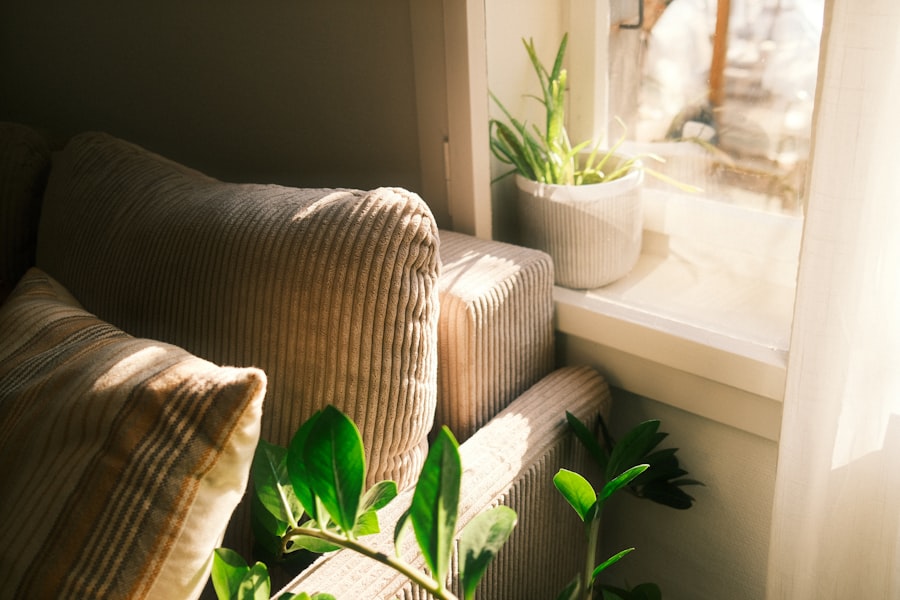
Air purifiers are valuable allies in the battle against dust accumulation in your home. These devices work by filtering out airborne particles, including dust, pollen, and pet dander, helping to improve indoor air quality significantly. When choosing an air purifier, look for models equipped with HEPA filters, as they are designed to capture even the smallest particles effectively.
Placing air purifiers in high-traffic areas or rooms where dust tends to accumulate can make a noticeable difference in reducing overall dust levels. In addition to air purifiers, regularly changing HVAC filters is essential for maintaining clean air throughout your home. These filters trap dust and other particles before they circulate through your heating and cooling systems.
Depending on usage and environmental factors, it’s advisable to check and replace these filters every one to three months. By combining air purifiers with proper filter maintenance, you can create a healthier living space that minimizes dust buildup and enhances overall comfort.
Preventing Dust Build-Up
Preventing dust build-up is just as important as regular cleaning when it comes to maintaining a dust-free home. One effective strategy is to implement “no-shoe” policies in certain areas of your home, particularly in bedrooms or living spaces where cleanliness is paramount. By encouraging family members and guests to remove their shoes at the door, you can significantly reduce the amount of dirt and debris tracked inside.
Another proactive measure is to declutter regularly. The more items you have in your home, the more surfaces there are for dust to settle on. By minimizing clutter—such as unnecessary knick-knacks or outdated magazines—you create fewer places for dust to accumulate.
Additionally, consider investing in storage solutions that keep items organized and out of sight while still being easily accessible when needed. By taking these preventive steps, you’ll find that maintaining a clean environment becomes much easier over time.
Maintaining a Dust-Free Environment
Creating and maintaining a dust-free environment requires ongoing effort but pays off in terms of health and comfort. Regular cleaning routines combined with smart strategies can help keep dust at bay effectively. In addition to routine dusting and vacuuming, consider incorporating habits such as wiping down surfaces after use or using lint rollers on upholstery to catch stray particles before they settle.
Furthermore, fostering good ventilation in your home can also contribute significantly to reducing dust levels. Opening windows when weather permits allows fresh air to circulate while pushing out stale air filled with allergens and pollutants. This simple act not only helps reduce indoor dust but also enhances overall air quality.
By adopting these practices consistently, you’ll create an inviting space that feels fresh and clean—a true sanctuary from the outside world. In conclusion, keeping your home dust-free is an essential aspect of maintaining both health and comfort within your living space. By understanding the importance of regular cleaning routines, utilizing the right tools and products, and implementing preventive measures, you can create an environment that promotes well-being for all who enter it.
With dedication and consistency, achieving a clean and inviting home becomes not just an aspiration but a delightful reality.
If you’re interested in learning more about keeping your home spotless, you might find the article on Property Cleaning’s blog particularly useful. It offers a range of tips and insights that complement the strategies discussed in “How to Maintain a Dust-Free Home with Simple Tools.” The blog covers various cleaning techniques and tools that can help you maintain a pristine living environment with minimal effort.
FAQs
What are some simple tools for maintaining a dust-free home?
Some simple tools for maintaining a dust-free home include a vacuum cleaner with a HEPA filter, microfiber cloths, a dusting wand, and a high-quality air purifier.
How often should I vacuum to maintain a dust-free home?
It is recommended to vacuum at least once a week, and more frequently in high-traffic areas or if you have pets. Using a vacuum with a HEPA filter can help capture and trap dust particles.
What are some tips for dusting to keep a home dust-free?
When dusting, use a microfiber cloth to trap and remove dust rather than spreading it around. Consider using a dusting wand to reach high and difficult-to-access areas. Dusting regularly can help prevent dust buildup in your home.
How can I improve the air quality in my home to reduce dust?
Using a high-quality air purifier with a HEPA filter can help remove dust, pollen, and other airborne particles from the air. Additionally, regularly changing air filters in your HVAC system can help improve air quality and reduce dust in your home.
Are there any other simple tips for maintaining a dust-free home?
Other simple tips for maintaining a dust-free home include keeping windows closed on windy days, using doormats to trap dirt and dust from entering the home, and washing bedding and curtains regularly to remove dust and allergens.


