


The kitchen is often considered the heart of the home, a place where families gather to share meals, stories, and laughter. However, it can also become a hotspot for dirt, grime, and clutter if not regularly maintained. Deep cleaning your kitchen is an essential task that goes beyond the usual surface cleaning.
It involves a thorough and meticulous approach to ensure every nook and cranny is spotless and sanitized. This process not only enhances the aesthetic appeal of your kitchen but also promotes a healthier environment for you and your loved ones. Deep cleaning can seem like a daunting task, especially if it has been a while since your last thorough scrub-down.
However, with a little planning and the right mindset, it can be a rewarding experience. Not only will you enjoy a sparkling clean kitchen, but you will also gain a sense of accomplishment. In this article, we will guide you through the steps necessary to deep clean your kitchen effectively, ensuring that every surface shines and every appliance functions optimally.
Key Takeaways
- Deep cleaning your kitchen is essential for maintaining a healthy and hygienic environment for cooking and food preparation.
- Before starting the deep cleaning process, it’s important to prepare your kitchen by removing clutter and organizing the space for easy access.
- Cleaning the appliances in your kitchen, such as the oven, microwave, and dishwasher, requires thorough attention to detail to remove grease, grime, and food residue.
- Deep cleaning the cabinets and pantry involves removing all items, wiping down surfaces, and organizing the contents for a more functional and tidy space.
- Scrubbing and sanitizing the countertops and sink is crucial for eliminating bacteria and preventing cross-contamination while preparing food.
Preparing Your Kitchen for Deep Cleaning
Before diving into the deep cleaning process, it’s crucial to prepare your kitchen adequately. Start by clearing off countertops and tables, removing any items that may obstruct your cleaning efforts. This includes small appliances, utensils, and decorative items.
By decluttering your space, you create a blank canvas that allows you to focus on the task at hand without distractions. It’s also a great opportunity to assess what items you truly need and what can be donated or discarded. Next, gather all the cleaning supplies you will need for the job.
This may include all-purpose cleaners, disinfectants, sponges, scrub brushes, microfiber cloths, and a mop. Having everything on hand will streamline the process and prevent unnecessary interruptions. Additionally, consider wearing comfortable clothing and gloves to protect your hands from harsh chemicals and to make the cleaning process more enjoyable.
With your space cleared and supplies ready, you are now set to tackle the deep cleaning of your kitchen with enthusiasm.
Cleaning the Appliances in Your Kitchen
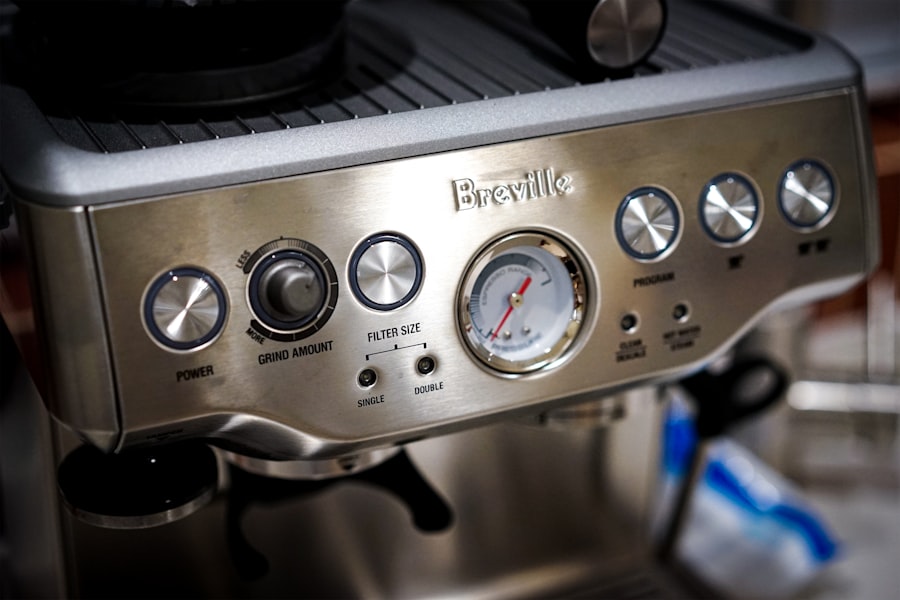
Your kitchen appliances are workhorses that often bear the brunt of daily cooking and food preparation. Therefore, they require special attention during a deep clean. Start with the refrigerator; remove all food items and check for expired products.
Wipe down shelves with a mixture of warm water and baking soda to eliminate odors and stains. Don’t forget to clean the door seals as well, as they can accumulate grime over time. Next, turn your attention to the oven and stovetop.
For the oven, use a suitable cleaner or a homemade paste of baking soda and water to tackle stubborn stains. Allow it to sit for a while before scrubbing it clean. The stovetop may require different approaches depending on its material; glass tops need gentle care while gas burners may need disassembly for thorough cleaning.
Finally, don’t overlook smaller appliances like microwaves and toasters; a quick wipe down inside and out will keep them looking fresh and functioning well.
Deep Cleaning the Cabinets and Pantry
| Task | Frequency | Time Taken |
|---|---|---|
| Emptying cabinets and pantry | Once a month | 1-2 hours |
| Cleaning shelves and surfaces | Once every 3 months | 2-3 hours |
| Organizing and decluttering | Twice a year | 3-4 hours |
Cabinets and pantry spaces often accumulate dust, grease, and food particles over time. Begin by emptying out all items from your cabinets and pantry shelves. This not only allows you to clean thoroughly but also gives you a chance to assess what you have on hand.
Check expiration dates on food items and discard anything that is no longer good. As you remove items, consider organizing them into categories such as canned goods, spices, or baking supplies for easier access later. Once emptied, wipe down the interior surfaces of your cabinets with a damp cloth or an appropriate cleaner.
Pay special attention to corners where crumbs may hide. For wooden cabinets, use a wood-safe cleaner to maintain their finish. After cleaning, take the time to reorganize your pantry items neatly back into their designated spaces.
This not only makes it easier to find what you need but also creates a visually appealing environment that encourages cooking at home.
Scrubbing and Sanitizing the Countertops and Sink
Countertops are one of the most frequently used surfaces in your kitchen, making them prime candidates for deep cleaning. Start by removing any items from the countertops so you can access every inch of space. Depending on the material of your countertops—be it granite, laminate, or wood—choose an appropriate cleaner that won’t damage the surface.
For most materials, a simple solution of warm water and dish soap will do wonders. After scrubbing down the countertops, turn your attention to the sink. The sink can harbor bacteria if not cleaned regularly, so it’s essential to give it a thorough scrub.
Use a non-abrasive cleaner or baking soda paste to tackle stains and buildup around the drain area. Rinse thoroughly and consider using a disinfectant spray afterward for added sanitation. A clean sink not only looks great but also ensures that you’re washing dishes in a hygienic environment.
Cleaning and Organizing the Refrigerator and Freezer

The refrigerator is another critical area that deserves special attention during deep cleaning. Start by removing all food items from both the refrigerator and freezer compartments. As you do this, check expiration dates and toss anything that has gone bad or is no longer needed.
This step not only clears out old food but also makes room for fresh groceries. Once emptied, wipe down all surfaces inside the refrigerator with a mixture of warm water and vinegar or a gentle cleaner designed for food surfaces. Pay close attention to shelves, drawers, and door compartments where spills may have occurred.
For the freezer, defrost if necessary before cleaning; this will allow you to access all areas easily. After everything is clean and dry, organize your food items back into the refrigerator in an orderly fashion—group similar items together for easy access.
Deep Cleaning the Floors and Walls
With all surfaces cleaned and organized, it’s time to turn your attention to the floors and walls of your kitchen. Start by sweeping or vacuuming up any debris that may have accumulated during your deep cleaning process. Once cleared, choose an appropriate floor cleaner based on your flooring type—tile, hardwood, or laminate—and mop thoroughly to remove any stains or sticky spots.
Don’t forget about the walls! They can collect grease splatters and dust over time as well. Use a damp cloth or sponge with mild soap to wipe down walls, especially around cooking areas where splatters are common.
If you notice any stubborn stains or marks, consider using a gentle scrub brush for those tough spots. A clean floor and walls will enhance the overall cleanliness of your kitchen and create an inviting atmosphere.
Maintaining a Clean Kitchen After Deep Cleaning
After putting in all that hard work into deep cleaning your kitchen, it’s essential to maintain its cleanliness moving forward. Establishing daily habits can make a significant difference in keeping your kitchen looking fresh. Start by implementing a “clean as you go” approach while cooking; this means washing dishes or wiping down surfaces immediately after use rather than letting them pile up.
Additionally, set aside time each week for light cleaning tasks such as wiping down countertops, sweeping floors, and checking pantry items for expiration dates. Regularly decluttering can also help maintain an organized space; consider doing this monthly or seasonally to keep things manageable. By incorporating these simple habits into your routine, you’ll ensure that your kitchen remains a welcoming space for family gatherings and culinary adventures alike.
In conclusion, deep cleaning your kitchen is an essential task that not only enhances its appearance but also promotes health and hygiene in your home. By following these steps—from preparation to maintenance—you can create a sparkling clean environment that makes cooking enjoyable again!
If you’re preparing to deep clean your kitchen for the first time, you might find it helpful to explore additional resources that can guide you through the process. A related article that could provide valuable insights is available on the Property Cleaning website. This article offers practical tips and step-by-step instructions to ensure your kitchen is spotless and well-organized. For more detailed guidance, you can visit the article by clicking on this link: Property Cleaning. This resource will complement your deep cleaning efforts and help you maintain a pristine kitchen environment.
FAQs
What supplies do I need to deep clean a kitchen for the first time?
To deep clean a kitchen for the first time, you will need supplies such as all-purpose cleaner, degreaser, baking soda, vinegar, microfiber cloths, scrub brushes, gloves, and a mop.
How often should I deep clean my kitchen?
It is recommended to deep clean your kitchen at least once a month to maintain a clean and hygienic environment. However, the frequency may vary depending on the usage and size of the kitchen.
What are the steps to deep clean a kitchen for the first time?
The steps to deep clean a kitchen for the first time include decluttering, cleaning the appliances, scrubbing the surfaces, cleaning the cabinets and drawers, washing the floors, and organizing the kitchen space.
Why is it important to deep clean a kitchen?
Deep cleaning a kitchen is important to remove built-up grease, grime, and bacteria that can accumulate over time. It helps to maintain a healthy and sanitary environment for food preparation and cooking.
Can I use natural cleaning products to deep clean my kitchen?
Yes, natural cleaning products such as vinegar, baking soda, and lemon can be used to deep clean a kitchen. They are effective in removing stains, grease, and odors without the use of harsh chemicals.