

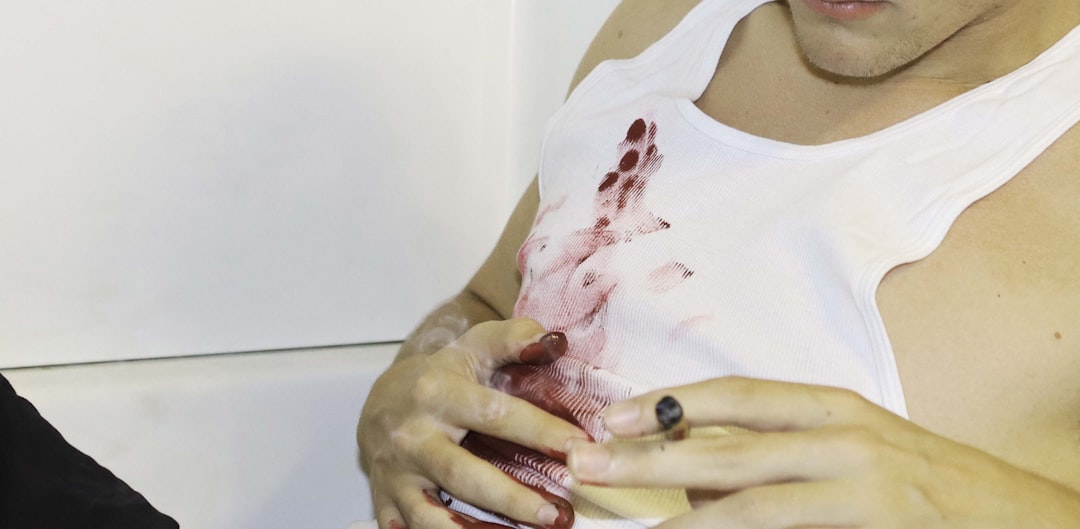
When you encounter a blood stain, it’s essential to recognize that blood is a complex substance composed of proteins, enzymes, and other components. This complexity means that blood stains can be particularly challenging to remove, especially if they are allowed to set. The proteins in blood can bond with the fibers of your carpet or fabric, making it crucial for you to act swiftly and effectively.
Understanding the nature of blood stains will empower you to tackle them with confidence and precision. Moreover, the type of surface affected by the blood stain plays a significant role in how you should approach the cleaning process. For instance, a blood stain on a carpet may require different techniques than one on upholstery or clothing.
Each material has its own set of characteristics that can influence how well a cleaning solution will work. By familiarizing yourself with these differences, you can tailor your cleaning strategy to achieve the best possible results.
Key Takeaways
- Blood stains can vary in nature depending on factors such as the type of blood and the surface it has landed on.
- Acting quickly is crucial to prevent the blood stain from setting and becoming more difficult to remove.
- Using the right cleaning products and tools, such as dish soap, hydrogen peroxide, and a carpet stain remover, can effectively remove blood stains.
- It is important to blot the blood stain instead of rubbing it to prevent it from spreading and setting further into the carpet fibers.
- Testing a small area of the carpet before applying any cleaning solution is essential to ensure that it does not cause damage or discoloration.
Acting quickly to prevent the stain from setting
Time is of the essence when dealing with blood stains. The longer you wait to address the stain, the more difficult it will become to remove. Blood can dry quickly, and once it does, it forms a bond with the fibers of your carpet or fabric that is much harder to break.
Therefore, as soon as you notice a blood stain, your first instinct should be to act immediately. This proactive approach can save you time and effort in the long run. In addition to acting quickly, it’s also important to remain calm and collected.
Panic can lead to hasty decisions that may worsen the situation. Instead, take a moment to assess the stain and gather your cleaning supplies before proceeding. By approaching the task methodically, you increase your chances of successfully removing the stain without causing further damage.
Using the right cleaning products and tools

Choosing the right cleaning products and tools is crucial for effectively removing blood stains. You may be tempted to reach for any household cleaner, but not all products are suitable for this type of stain. Look for enzymatic cleaners specifically designed to break down proteins, as these will be more effective in tackling blood stains.
Additionally, having the right tools on hand—such as clean cloths, sponges, or soft-bristle brushes—can make a significant difference in your cleaning efforts. Before you start cleaning, take a moment to read the labels on your cleaning products. Some may contain harsh chemicals that could damage your carpet or fabric.
Opt for gentle yet effective solutions that are safe for the material you’re working with. By being mindful of your choices, you can ensure that you’re not only removing the stain but also preserving the integrity of your belongings.
Blotting the stain instead of rubbing it
| Benefits of Blotting the Stain | Reasons to Avoid Rubbing the Stain |
|---|---|
| Prevents the stain from spreading | Can damage the fabric fibers |
| Helps to absorb the stain more effectively | May push the stain deeper into the fabric |
| Less likely to cause color fading | Increases the risk of setting the stain |
When faced with a blood stain, one of the most critical techniques you can employ is blotting rather than rubbing. Rubbing can push the stain deeper into the fibers, making it more challenging to remove. Instead, use a clean cloth or paper towel to gently blot the area around the stain.
Start from the outer edges and work your way inward to prevent spreading the stain further. Blotting allows you to lift away as much of the blood as possible without damaging the fibers of your carpet or fabric. It’s essential to use a light touch; pressing too hard can cause more harm than good.
As you blot, you’ll notice that the cloth will absorb some of the stain, which is a positive sign that your efforts are working. Continue this process until no more blood transfers onto your cloth.
Testing a small area of the carpet before applying any cleaning solution
Before applying any cleaning solution directly onto a blood stain, it’s wise to test a small, inconspicuous area of your carpet or fabric first. This step is crucial because it allows you to see how the material reacts to the cleaner without risking visible damage. Apply a small amount of the solution and gently blot it with a clean cloth.
If there’s no discoloration or adverse reaction after a few minutes, you can proceed with confidence. Testing a small area not only protects your carpet but also gives you insight into how effective the cleaning solution may be against the blood stain. If you notice that the test area responds well, you can apply the solution to the stained area with greater assurance.
This precautionary measure can save you from potential headaches down the line.
Using cold water to dilute the stain
When dealing with blood stains, cold water is your best friend. Hot water can cause proteins in the blood to coagulate and bond more firmly with fibers, making removal even more difficult. Instead, start by rinsing the stained area with cold water to dilute the stain and help lift it from the material.
You can use a spray bottle or simply pour a small amount of cold water directly onto the stain. As you apply cold water, remember to continue blotting with a clean cloth or sponge. This combination of dilution and absorption will help break down the stain’s components and make it easier for you to remove it completely.
The key is to be patient; sometimes, it takes several rounds of rinsing and blotting before you see significant improvement.
Applying a mixture of dish soap and water to the stain
Once you’ve diluted the blood stain with cold water, consider applying a mixture of dish soap and water for added cleaning power. Dish soap is effective at breaking down grease and proteins, making it an excellent choice for tackling blood stains. Mix a few drops of mild dish soap with cold water in a bowl or spray bottle, then gently apply it to the stained area.
Using a clean cloth or sponge, work the soapy mixture into the stain using gentle circular motions. Be careful not to rub too hard; instead, focus on allowing the soap to penetrate and lift away any remaining blood particles. After several minutes of working in the solution, rinse the area again with cold water and continue blotting until no more soap residue remains.
Using hydrogen peroxide for stubborn or dried blood stains
If you’re dealing with stubborn or dried blood stains that refuse to budge, hydrogen peroxide can be an effective solution. This powerful oxidizing agent works by breaking down organic compounds like those found in blood. However, before applying hydrogen peroxide directly to your carpet or fabric, it’s essential to test it on an inconspicuous area first to ensure it won’t cause discoloration.
To use hydrogen peroxide effectively, pour a small amount directly onto the stained area and let it sit for about 5-10 minutes. You may notice some fizzing as it reacts with the blood; this is a good sign that it’s working! After allowing it to sit, gently blot the area with a clean cloth until no more blood transfers onto it.
Rinse thoroughly with cold water afterward to remove any remaining hydrogen peroxide.
Using a carpet stain remover for tough stains
If all else fails and you’re still struggling with a tough blood stain, consider using a commercial carpet stain remover specifically designed for protein-based stains. These products often contain enzymes that target and break down organic materials like blood effectively. When selecting a carpet stain remover, read reviews and choose one that has proven effective for similar stains.
Follow the instructions on the product label carefully for optimal results. Typically, you’ll apply the stain remover directly onto the affected area and allow it to sit for a specified amount of time before blotting it away with a clean cloth. Remember that persistence is key; sometimes multiple applications may be necessary before achieving complete removal.
Rinsing the area thoroughly after removing the stain
Once you’ve successfully removed the blood stain from your carpet or fabric, don’t forget about rinsing! It’s crucial to thoroughly rinse the area with cold water after using any cleaning solution or product. This step helps eliminate any residual cleaning agents that could attract dirt or cause discoloration over time.
To rinse effectively, use a clean cloth dampened with cold water and gently blot the area until no more soap or cleaner is visible on your cloth. This final rinse will leave your carpet or fabric fresh and clean while ensuring that no harmful residues remain behind.
Seeking professional help if the stain persists
Despite your best efforts, there may be times when a stubborn blood stain simply won’t budge. In such cases, seeking professional help may be your best option. Professional cleaners have access to specialized equipment and products that can tackle even the most challenging stains effectively.
Before calling in professionals, assess whether you’ve exhausted all possible cleaning methods on your own. If you have and still see no improvement, don’t hesitate to reach out for assistance. Professionals can provide expert advice tailored specifically to your situation and help restore your carpet or fabric to its original condition without causing further damage.
In conclusion, dealing with blood stains requires understanding their nature and acting quickly with appropriate techniques and products. By following these steps—blotting instead of rubbing, testing solutions on small areas first, using cold water for dilution, and considering professional help when necessary—you can effectively manage blood stains while preserving your belongings’ integrity.
FAQs
What are the common methods professionals use to handle blood stains on carpets?
Professionals commonly use methods such as blotting the stain with a clean cloth, applying a mixture of water and mild detergent, using hydrogen peroxide or ammonia solution, and steam cleaning to handle blood stains on carpets.
Why is it important to hire professionals to handle blood stains on carpets?
Hiring professionals is important because they have the expertise, experience, and proper equipment to effectively and safely remove blood stains from carpets without causing damage to the carpet fibers.
Can professionals guarantee complete removal of blood stains from carpets?
While professionals strive to achieve complete removal of blood stains from carpets, the outcome may vary depending on factors such as the age of the stain, the type of carpet, and the specific cleaning methods used. However, professionals can significantly improve the appearance of the carpet and minimize the visibility of the stain.
What are the potential risks of attempting to remove blood stains from carpets without professional help?
Attempting to remove blood stains from carpets without professional help can lead to spreading the stain, causing damage to the carpet fibers, and potentially setting the stain, making it more difficult to remove. Additionally, improper cleaning methods may result in discoloration or permanent damage to the carpet.
How can professionals ensure the safety of individuals and pets during the cleaning process?
Professionals ensure safety by using non-toxic and environmentally friendly cleaning solutions, following proper cleaning protocols to minimize the spread of contaminants, and taking necessary precautions to prevent exposure to harmful chemicals during the cleaning process.


