

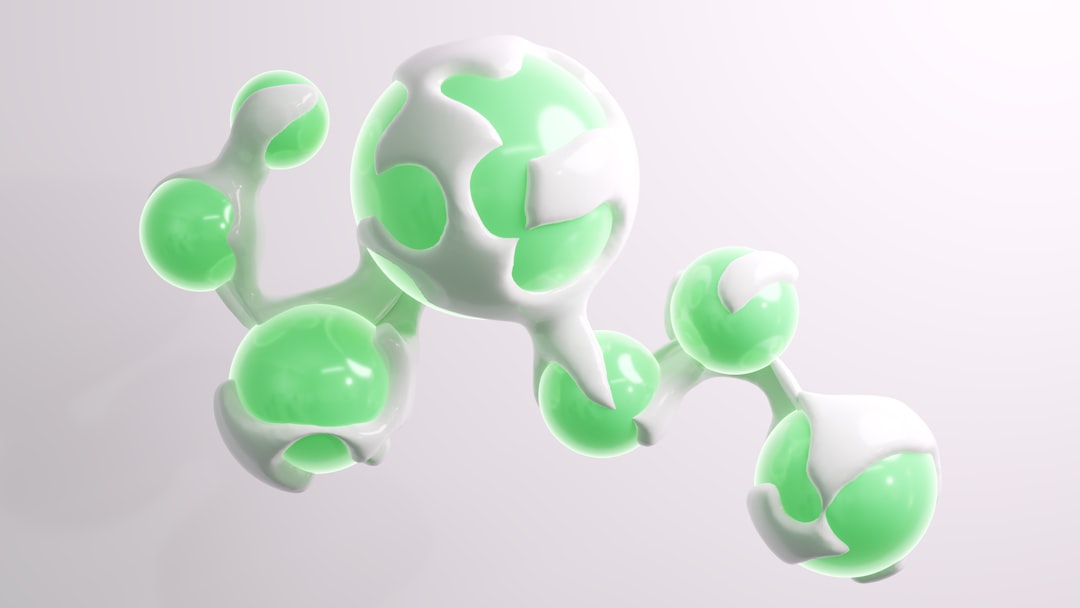
Enzyme cleaners are a fascinating category of cleaning products that utilize the power of enzymes to break down organic materials. These enzymes are biological catalysts that speed up chemical reactions, making them particularly effective at breaking down stains, odors, and other residues that traditional cleaners may struggle with. When you use an enzyme cleaner, you are essentially harnessing nature’s own cleaning agents to tackle tough messes, whether they be pet stains, food spills, or even grease.
This innovative approach not only makes cleaning more efficient but also often results in a more environmentally friendly solution compared to conventional chemical cleaners. The effectiveness of enzyme cleaners lies in their specificity. Different enzymes target different types of organic matter.
For instance, proteases break down proteins, lipases tackle fats, and amylases focus on carbohydrates. This means that when you choose an enzyme cleaner, you can select one that is tailored to the specific type of stain or odor you are dealing with. As you explore the world of enzyme cleaners, you may find that they offer a level of versatility and efficiency that can transform your cleaning routine, making it easier to maintain a fresh and clean home.
Key Takeaways
- Enzyme cleaners are bio-based cleaning products that use enzymes to break down and remove stains and odors.
- Enzyme cleaners can pose potential risks to kids and pets if ingested or if they come into contact with sensitive skin or eyes.
- To safely use enzyme cleaners around children and pets, it’s important to store them out of reach, follow usage instructions, and consider natural alternatives.
- When choosing an enzyme cleaner, look for non-toxic, pet-safe, and child-friendly options, and consider consulting with a veterinarian or pediatrician for recommendations.
- Natural cleaning options like vinegar, baking soda, and lemon can be effective alternatives to enzyme cleaners for families with kids and pets.
Potential risks of enzyme cleaners for kids and pets
While enzyme cleaners are often marketed as safe and eco-friendly, it is essential to consider the potential risks they may pose to children and pets in your household. One of the primary concerns is that some enzyme cleaners may contain additional chemicals or preservatives that could be harmful if ingested or if they come into contact with skin. Children, in particular, are naturally curious and may be more likely to touch or taste cleaning products left within reach.
This curiosity can lead to accidental ingestion or skin irritation, which is why it’s crucial to keep these products stored safely out of their reach. Pets also face similar risks when it comes to enzyme cleaners. Many pets are prone to sniffing around and exploring their environment with their mouths.
If they come into contact with an enzyme cleaner, they might ingest it or experience irritation from the product’s ingredients. Additionally, some pets may have sensitivities or allergies to certain components found in these cleaners, leading to adverse reactions. As a responsible pet owner, it’s vital to be aware of these risks and take necessary precautions to ensure the safety of your furry friends.
Safe usage of enzyme cleaners around children and pets
To safely use enzyme cleaners around children and pets, you should adopt a few best practices that minimize risks while still allowing you to benefit from their cleaning power. First and foremost, always read the product label carefully before use. Look for any warnings or instructions regarding safe usage around children and animals.
Many manufacturers provide specific guidelines on how to apply their products safely, which can help you make informed decisions about when and where to use them. Another important step is to establish a cleaning routine that prioritizes safety. When using enzyme cleaners, consider doing so when children and pets are not present in the area.
This could mean scheduling your cleaning sessions during nap times or when you can confine your pets to another room. Additionally, ensure that you ventilate the area well by opening windows or using fans to disperse any lingering odors from the cleaning process. By taking these precautions, you can create a safer environment while still enjoying the benefits of enzyme cleaners.
Choosing the right enzyme cleaner for your home
| Enzyme Cleaner | Features | Benefits |
|---|---|---|
| Nature’s Miracle | Enzymatic formula, odor control | Effective on tough stains, eliminates odors |
| Rocco & Roxie | Professional strength, bio-enzymatic formula | Works on old and new stains, safe for pets |
| Petzyme | Natural enzymes, eco-friendly | Safe for kids and pets, eliminates organic stains |
Selecting the right enzyme cleaner for your home involves understanding your specific cleaning needs and the types of stains or odors you frequently encounter. With a plethora of options available on the market, it can be overwhelming to choose the best product for your situation. Start by identifying the primary sources of messes in your home—whether they stem from pets, food spills, or general household grime—and look for enzyme cleaners specifically formulated to tackle those issues.
Additionally, consider the ingredients in the enzyme cleaner you are contemplating. Opt for products that are free from harsh chemicals and artificial fragrances, as these can pose risks to both children and pets. Look for enzyme cleaners that are labeled as non-toxic and biodegradable; these options tend to be safer for your family while still being effective at breaking down organic materials.
By taking the time to research and select the right product, you can ensure that your cleaning efforts are both effective and safe.
Alternative natural cleaning options for families with kids and pets
If you’re concerned about using enzyme cleaners in your home due to potential risks for children and pets, there are several alternative natural cleaning options available that can still provide effective results without compromising safety. One popular choice is vinegar, which has natural antibacterial properties and can effectively cut through grease and grime. You can create a simple all-purpose cleaner by mixing equal parts vinegar and water in a spray bottle.
This solution is safe for most surfaces and poses minimal risk to children and pets. Baking soda is another versatile natural cleaner that can be used for various cleaning tasks around the house. Its mild abrasive properties make it ideal for scrubbing surfaces without scratching them, while its ability to neutralize odors makes it perfect for freshening up carpets or upholstery.
You can sprinkle baking soda on carpets before vacuuming or mix it with water to create a paste for scrubbing tough stains. By incorporating these natural alternatives into your cleaning routine, you can maintain a clean home while prioritizing the safety of your family.
Tips for using enzyme cleaners effectively and safely
To maximize the effectiveness of enzyme cleaners while ensuring safety for your family, consider implementing a few practical tips during your cleaning routine. First, always follow the manufacturer’s instructions regarding dilution ratios and application methods. Using too much product or failing to dilute it properly can lead to ineffective cleaning or potential harm to surfaces in your home.
Additionally, allow sufficient time for the enzymes to work their magic. Many enzyme cleaners require a certain amount of dwell time on the surface before being wiped away or rinsed off. This allows the enzymes to break down organic matter effectively.
Be patient during this process; rushing through it may result in subpar cleaning results. Finally, always test a small inconspicuous area before applying any cleaner broadly, especially on delicate surfaces like upholstery or hardwood floors.
Common misconceptions about enzyme cleaners and their safety
There are several misconceptions surrounding enzyme cleaners that can lead to confusion about their safety and effectiveness. One common myth is that all enzyme cleaners are completely safe for children and pets simply because they are marketed as “natural” or “eco-friendly.” While many enzyme cleaners do contain safer ingredients than traditional chemical cleaners, it’s essential to remember that not all products are created equal. Always read labels carefully and research specific brands before use.
Another misconception is that enzyme cleaners work instantly; however, this is not always the case. Enzymes require time to break down organic materials effectively, so expecting immediate results can lead to disappointment. Understanding how these products work will help you set realistic expectations and use them more effectively in your cleaning routine.
The importance of reading product labels and following instructions
Reading product labels is crucial when selecting and using any cleaning product, including enzyme cleaners. Labels provide essential information about the ingredients used in the formulation, potential hazards, and specific usage instructions that can help ensure safety for your family. By taking the time to read labels carefully, you can make informed decisions about which products are appropriate for your household.
Following instructions is equally important; manufacturers provide guidelines based on extensive testing to ensure optimal performance while minimizing risks. Ignoring these instructions could lead to ineffective cleaning or even damage to surfaces in your home. By adhering closely to product guidelines, you can maximize the benefits of enzyme cleaners while keeping safety at the forefront of your cleaning practices.
Consulting with a veterinarian or pediatrician about enzyme cleaner usage
If you have concerns about using enzyme cleaners around children or pets in your home, consulting with a veterinarian or pediatrician can provide valuable insights tailored to your specific situation. These professionals can offer guidance on potential risks associated with certain products based on individual sensitivities or allergies within your family. Additionally, they may recommend specific brands known for their safety profiles or suggest alternative cleaning methods that align with your family’s needs.
By seeking expert advice, you can make informed decisions about how best to maintain a clean home while prioritizing the health and well-being of your loved ones.
Potential allergic reactions and sensitivities to enzyme cleaners in kids and pets
Just like any other product used in your home, there is always a possibility of allergic reactions or sensitivities arising from enzyme cleaners in both children and pets. Some individuals may experience skin irritation upon contact with certain ingredients found in these products, while others might develop respiratory issues if exposed to strong odors or fumes. To minimize these risks, it’s essential to monitor your family members closely after using an enzyme cleaner for any signs of discomfort or allergic reactions.
If you notice any unusual symptoms such as rashes, difficulty breathing, or gastrointestinal distress after exposure, discontinue use immediately and consult with a healthcare professional for further guidance.
weighing the benefits and risks of enzyme cleaners for families
In conclusion, enzyme cleaners offer an innovative approach to tackling tough stains and odors in your home while often being more environmentally friendly than traditional chemical alternatives. However, as with any cleaning product, it’s essential to weigh the benefits against potential risks—especially when children and pets are involved. By understanding how these products work, choosing wisely based on specific needs, and following safety guidelines diligently, you can enjoy the advantages of enzyme cleaners without compromising the well-being of your family.
Ultimately, maintaining a clean home should not come at the expense of safety; by being informed and proactive in your cleaning practices, you can create an environment that is both spotless and secure for everyone in your household.
FAQs
What are enzyme cleaners?
Enzyme cleaners are cleaning products that contain enzymes, which are biological molecules that help break down and remove stains and odors.
Are enzyme cleaners safe for kids and pets?
Enzyme cleaners are generally considered safe for kids and pets when used as directed. However, it is important to always read and follow the instructions on the product label to ensure safe use.
What are the benefits of using enzyme cleaners?
Enzyme cleaners are effective at breaking down and removing organic stains and odors, such as those from urine, feces, vomit, and food. They are also environmentally friendly and biodegradable.
Are there any risks associated with using enzyme cleaners around kids and pets?
While enzyme cleaners are generally safe, it is important to keep them out of reach of children and pets to prevent accidental ingestion. Some individuals may also be sensitive to certain ingredients in enzyme cleaners, so it is advisable to test a small area before using the product on a larger scale.
Can enzyme cleaners be used on all surfaces?
Enzyme cleaners are safe to use on a variety of surfaces, including carpets, upholstery, tile, and hardwood floors. However, it is important to check the product label for any specific surface restrictions or recommendations.


