

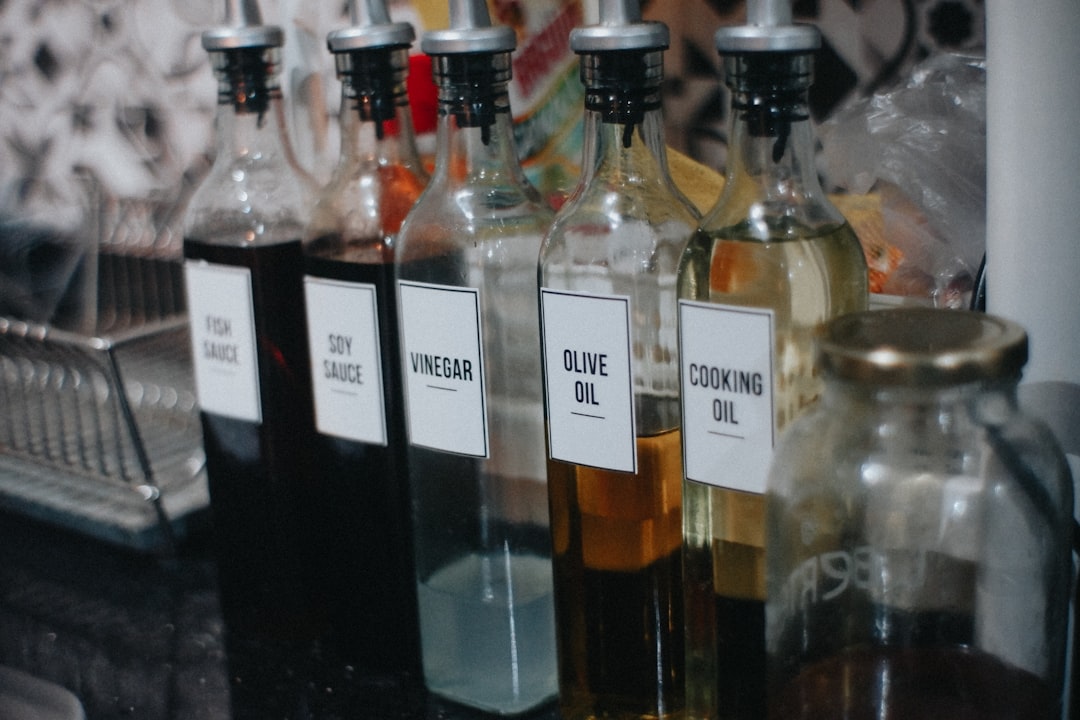
When it comes to maintaining the cleanliness and freshness of your carpets, vinegar often emerges as a popular choice among DIY enthusiasts. This humble kitchen staple, known for its versatility in cooking and preserving, also boasts remarkable cleaning properties. You may find yourself intrigued by the idea of using vinegar as a carpet cleaner, especially given its natural composition and affordability.
As you explore this option, you’ll discover that vinegar can effectively tackle stains, odors, and even dirt buildup, making it a compelling alternative to commercial cleaning products. However, before you dive into using vinegar on your carpets, it’s essential to understand its properties and how it interacts with different carpet materials. While vinegar is generally safe and effective for many cleaning tasks, it’s not a one-size-fits-all solution.
You’ll want to familiarize yourself with the types of carpets that can benefit from vinegar cleaning, as well as the precautions you should take to avoid any potential damage. By arming yourself with knowledge, you can confidently incorporate vinegar into your carpet care routine.
Key Takeaways
- Vinegar is a natural and effective carpet cleaner that can be used to remove stains and odors.
- Vinegar is safe for most types of carpets, including synthetic and wool carpets.
- Precautions to take when using vinegar on carpets include spot testing, diluting the vinegar, and avoiding over-saturation.
- Using vinegar as a carpet cleaner has benefits such as being eco-friendly, cost-effective, and safe for pets and children.
- Potential risks of using vinegar on carpets include discoloration, damage to natural fibers, and a strong odor that may linger.
Types of Carpets that Vinegar is Safe for
Not all carpets are created equal, and the type of material your carpet is made from plays a significant role in determining whether vinegar is a suitable cleaning agent. Natural fibers such as wool and cotton can often tolerate vinegar well, as they are less likely to react negatively to its acidity. If your carpet is made from these materials, you may find that vinegar can effectively lift stains and neutralize odors without causing harm.
On the other hand, synthetic fibers like nylon or polyester may also respond positively to vinegar cleaning, but caution is advised. While these materials are generally more resilient, they can sometimes be sensitive to acidic substances. Therefore, it’s crucial to assess the specific fiber content of your carpet before proceeding with vinegar cleaning.
By understanding the composition of your carpet, you can make informed decisions about whether vinegar is a safe option for your cleaning needs.
Precautions to Take When Using Vinegar on Carpets

Before you start using vinegar on your carpets, there are several precautions you should take to ensure that you don’t inadvertently cause damage. First and foremost, always perform a patch test in an inconspicuous area of the carpet. This simple step will help you determine how your carpet reacts to vinegar without risking visible damage.
Apply a small amount of diluted vinegar to the test area and wait for a few minutes before blotting it dry. If there’s no discoloration or adverse reaction, you can proceed with confidence. Additionally, it’s essential to dilute vinegar with water before applying it to your carpet.
A common ratio is one part vinegar to two parts water, which helps reduce its acidity while still retaining its cleaning properties. Using undiluted vinegar can lead to potential discoloration or damage to the fibers. Moreover, avoid soaking the carpet; instead, use a spray bottle or cloth to apply the solution lightly.
This approach minimizes moisture exposure and helps prevent mold or mildew growth.
Benefits of Using Vinegar as a Carpet Cleaner
| Benefits of Using Vinegar as a Carpet Cleaner |
|---|
| 1. Natural and non-toxic |
| 2. Removes odors |
| 3. Kills bacteria and germs |
| 4. Environmentally friendly |
| 5. Cost-effective |
One of the most significant advantages of using vinegar as a carpet cleaner is its natural deodorizing properties. If your carpets have absorbed unpleasant odors from pets, spills, or general wear and tear, vinegar can help neutralize these smells effectively. The acetic acid in vinegar works to break down odor-causing compounds, leaving your carpets smelling fresh and clean.
In addition to deodorizing, vinegar is also an excellent stain remover. Whether it’s red wine, coffee, or pet accidents, vinegar can help lift these stubborn stains from your carpet fibers. Its ability to penetrate and break down stains makes it a valuable tool in your cleaning arsenal.
Furthermore, using vinegar is an eco-friendly choice; it’s biodegradable and free from harsh chemicals found in many commercial cleaners. By opting for vinegar, you’re not only caring for your carpets but also making a more sustainable choice for the environment.
Potential Risks of Using Vinegar on Carpets
While vinegar has many benefits as a carpet cleaner, it’s essential to be aware of potential risks associated with its use. One significant concern is the possibility of discoloration or fading in certain carpet types. As mentioned earlier, synthetic fibers may react differently to vinegar than natural fibers.
If you’re unsure about how your carpet will respond, it’s best to err on the side of caution and conduct a patch test. Another risk involves over-saturation of the carpet with moisture. Excessive water can lead to mold growth or damage the underlying padding and flooring beneath the carpet.
To mitigate this risk, always use vinegar in moderation and ensure that you allow adequate drying time after cleaning. By being mindful of these potential pitfalls, you can enjoy the benefits of vinegar without compromising the integrity of your carpets.
How to Test if Vinegar is Safe for Your Carpet
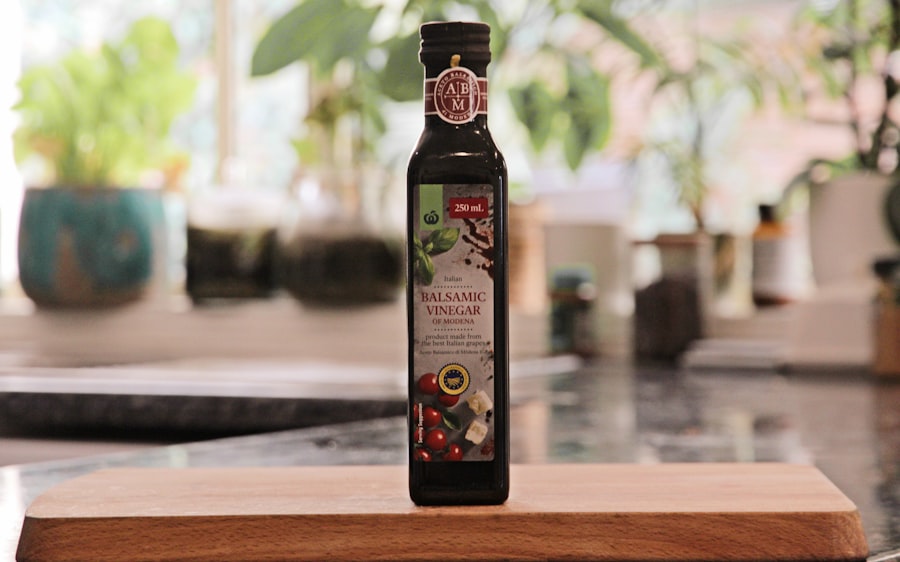
Testing whether vinegar is safe for your carpet is a straightforward process that can save you from potential headaches down the line. Start by identifying an inconspicuous area of your carpet—perhaps behind a piece of furniture or in a corner where it won’t be easily noticed. Once you’ve chosen your test spot, mix a small amount of diluted vinegar (one part vinegar to two parts water) in a bowl or spray bottle.
Apply a few drops of the solution onto the test area and gently blot it with a clean cloth or paper towel. Allow it to sit for about five minutes before checking for any discoloration or adverse reactions. If there’s no visible change in color or texture after blotting it dry, you can feel more confident about using vinegar on larger areas of your carpet.
Alternative Carpet Cleaning Solutions to Vinegar
While vinegar is an excellent option for many carpet cleaning tasks, it’s not the only solution available to you. There are several alternative cleaning agents that can effectively tackle stains and odors without the potential risks associated with vinegar. For instance, baking soda is a popular choice for deodorizing carpets; simply sprinkle it over the affected area and let it sit for several hours before vacuuming it up.
Another alternative is using commercial carpet cleaners specifically designed for your carpet type. These products often contain specialized formulas that target specific stains while being safe for various materials. Additionally, enzyme-based cleaners are effective at breaking down organic stains like pet urine or food spills without harsh chemicals.
By exploring these alternatives, you can find the best solution tailored to your carpet’s needs.
Tips for Using Vinegar Safely on Carpets
If you decide to use vinegar as a carpet cleaner, there are several tips you can follow to ensure safe and effective results. First, always remember to dilute the vinegar before application; this simple step can prevent potential damage while still providing cleaning benefits. Additionally, use a spray bottle for even distribution rather than pouring directly onto the carpet.
When applying the solution, work in small sections and avoid over-saturating the area. Blotting rather than scrubbing is key; this gentle approach helps lift stains without damaging the fibers. After cleaning, ensure proper ventilation in the room to facilitate drying and prevent any lingering odors from the vinegar itself.
Common Misconceptions about Using Vinegar on Carpets
Despite its popularity as a cleaning agent, there are several misconceptions surrounding the use of vinegar on carpets that can lead to confusion or misuse. One common myth is that vinegar can be used on all types of carpets without any issues. As discussed earlier, not all carpets respond well to vinegar; understanding your carpet’s material is crucial before proceeding.
Another misconception is that using more vinegar will yield better results. In reality, excessive amounts can lead to damage rather than improvement. It’s essential to stick to recommended dilution ratios and application methods for optimal results.
By debunking these myths, you can approach carpet cleaning with vinegar more effectively and safely.
Professional Recommendations for Using Vinegar on Carpets
Many professional cleaners recognize the value of vinegar as a natural cleaning agent but also emphasize the importance of caution when using it on carpets. They often recommend conducting thorough research on your specific carpet type before attempting any DIY cleaning methods involving vinegar. Additionally, professionals suggest consulting with manufacturers’ guidelines or seeking advice from experts if you’re uncertain about using vinegar on your carpets.
Moreover, professionals often highlight that while vinegar can be effective for minor stains and odors, more severe issues may require specialized treatments or equipment that only professional cleaners possess. If you find yourself facing persistent stains or odors that don’t respond well to vinegar cleaning methods, don’t hesitate to reach out for professional assistance.
Is Vinegar Safe for All Carpets?
In conclusion, while vinegar can be an effective and eco-friendly option for cleaning carpets, it’s not universally safe for all types of carpets. Understanding your carpet’s material and conducting patch tests are essential steps in determining whether vinegar is suitable for your specific situation. By taking necessary precautions and following best practices when using vinegar as a cleaner, you can enjoy its benefits while minimizing potential risks.
Ultimately, if you’re ever in doubt about using vinegar on your carpets or if you encounter stubborn stains that resist DIY methods, seeking professional advice may be the best course of action. With careful consideration and informed choices, you can maintain clean and fresh carpets while harnessing the power of this versatile household staple.
FAQs
What is vinegar and its properties?
Vinegar is a liquid consisting mainly of acetic acid and water. It is known for its acidic properties and is often used as a cleaning agent due to its ability to dissolve mineral deposits, grease, and dirt.
Is it safe to use vinegar on all types of carpets?
Vinegar can be used on most types of carpets, but it is important to test it on a small, inconspicuous area first to ensure it does not cause any damage or discoloration. Additionally, some carpets may be sensitive to acidic substances, so it is best to consult the manufacturer’s guidelines before using vinegar.
What are the benefits of using vinegar on carpets?
Vinegar is a natural and eco-friendly cleaning solution that can effectively remove stains, odors, and bacteria from carpets. It is also a cost-effective alternative to commercial carpet cleaners.
Are there any drawbacks to using vinegar on carpets?
While vinegar is generally safe for use on carpets, it has a strong odor that some people may find unpleasant. Additionally, using too much vinegar or failing to dilute it properly can potentially damage the carpet fibers.
How should vinegar be used on carpets?
To use vinegar on carpets, mix it with water in a 1:1 ratio and apply the solution to the stained or soiled area. Blot the area with a clean cloth and allow it to dry. It is important to avoid over-saturating the carpet with the vinegar solution.


