

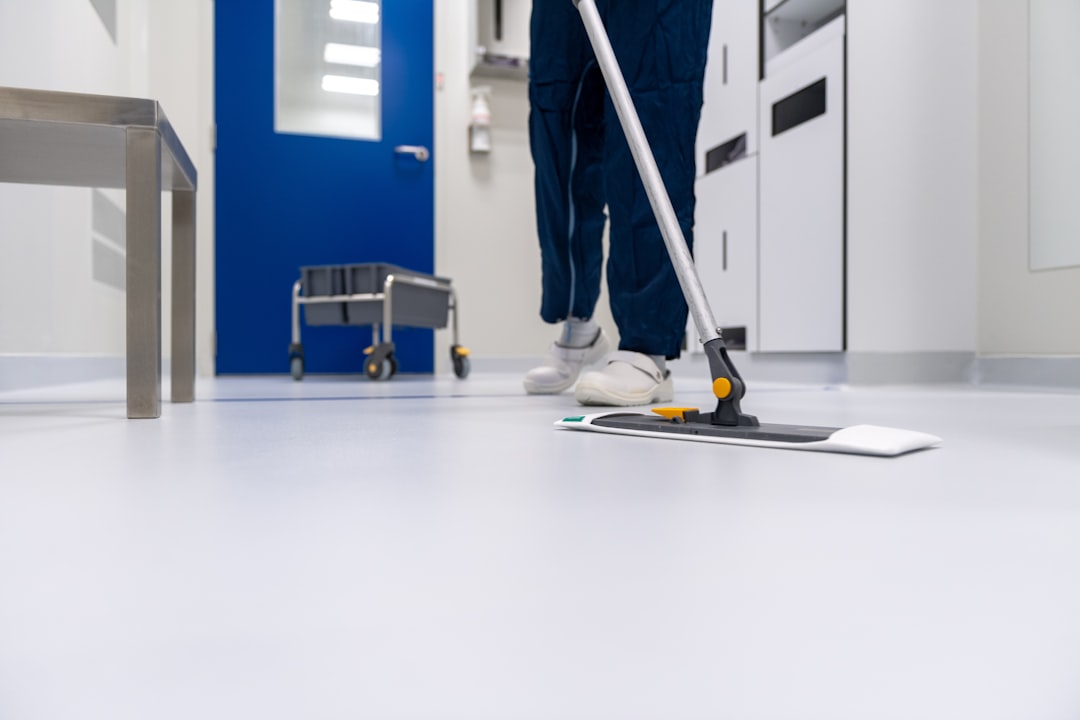
When it comes to maintaining your home, one of the most crucial aspects is understanding the flooring material you have. Different types of flooring, such as hardwood, laminate, tile, carpet, and vinyl, each come with their own unique characteristics and maintenance requirements. For instance, hardwood floors are known for their timeless beauty and durability but can be susceptible to scratches and water damage if not cared for properly.
On the other hand, tile floors are incredibly resilient and easy to clean but may require grout maintenance to keep them looking pristine. Knowing the specific needs of your flooring material can save you time and effort in the long run. For example, carpets may need regular vacuuming and occasional deep cleaning to remove dirt and allergens, while laminate floors can often be cleaned with a damp mop and a gentle cleaner.
By familiarizing yourself with the properties of your flooring, you can tailor your cleaning and maintenance routine to ensure that your floors remain in excellent condition for years to come.
Key Takeaways
- Understanding the type of flooring material you have is crucial for proper maintenance and cleaning
- Daily maintenance tips such as sweeping and using doormats can help prevent dirt and debris from damaging your floors
- Implementing a weekly cleaning routine, including mopping and vacuuming, can keep your floors looking their best
- Choosing the right cleaning products, such as pH-neutral cleaners, is essential to avoid damaging your flooring material
- Preventing scratches and damage can be achieved by using furniture pads and avoiding wearing high heels on your floors
Daily Maintenance Tips
Daily maintenance is essential for keeping your floors looking their best. Simple habits can go a long way in preventing dirt and grime from accumulating. For instance, placing doormats at entryways can help trap dirt before it enters your home.
Encouraging family members and guests to wipe their feet or remove their shoes can significantly reduce the amount of debris that makes its way onto your floors. In addition to doormats, consider using area rugs in high-traffic zones. These not only add a decorative touch but also provide an extra layer of protection for your flooring.
Regularly sweeping or vacuuming these areas will help keep dust and dirt at bay. By incorporating these daily practices into your routine, you can maintain the beauty of your floors while minimizing the need for more intensive cleaning later on.
Weekly Cleaning Routine
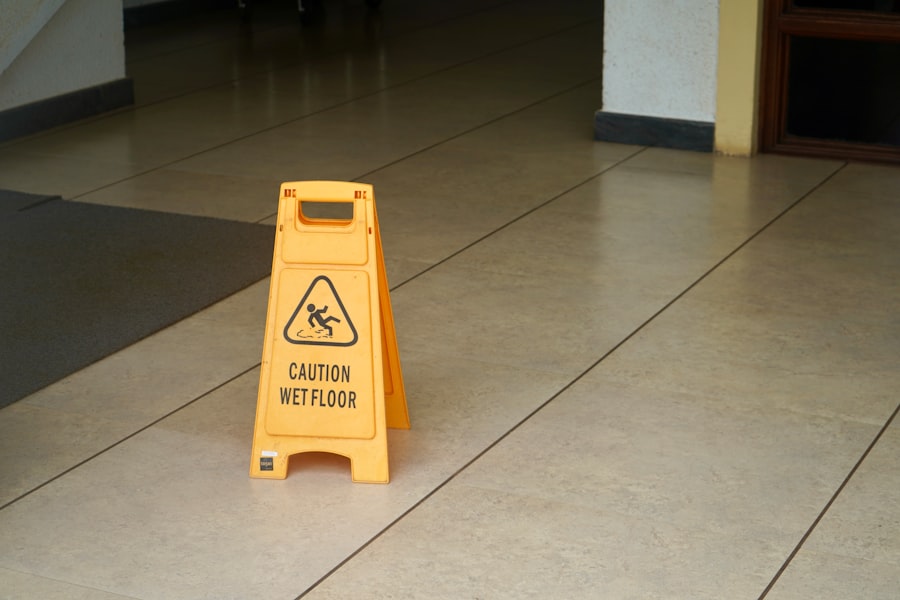
While daily maintenance is important, establishing a weekly cleaning routine can further enhance the longevity of your flooring. Depending on the type of flooring you have, this routine may vary slightly. For hardwood floors, a gentle cleaning solution specifically designed for wood can be used with a microfiber mop to remove any accumulated dust and grime.
It’s essential to avoid excessive water, as this can warp the wood over time. For tile or vinyl floors, a weekly mopping with a suitable cleaner can help maintain their shine and cleanliness. If you have carpets, a thorough vacuuming is crucial to remove dirt that may have settled deep within the fibers.
Additionally, consider using a carpet cleaner or steam cleaner every few weeks to refresh the carpets and eliminate any stubborn stains or odors. By dedicating time each week to clean your floors, you’ll ensure they remain in top condition and ready to impress.
Choosing the Right Cleaning Products
| Factors to Consider | Importance |
|---|---|
| Effectiveness | High |
| Safety | High |
| Environmental Impact | Medium |
| Cost | Medium |
Selecting the right cleaning products is vital for maintaining your flooring without causing damage. Many commercial cleaners contain harsh chemicals that can strip away finishes or leave residues that attract more dirt. It’s essential to read labels carefully and choose products that are specifically formulated for your type of flooring.
For example, hardwood floor cleaners are designed to clean without leaving streaks or damaging the finish. If you prefer a more natural approach, there are plenty of DIY cleaning solutions that can be just as effective. A mixture of vinegar and water can work wonders on tile and vinyl floors, while a few drops of dish soap mixed with warm water can be great for cleaning hardwood surfaces.
Always test any new product or solution in a small, inconspicuous area first to ensure it won’t cause any adverse effects. By being mindful of the products you use, you can keep your floors looking beautiful while also protecting them from potential harm.
Preventing Scratches and Damage
Preventing scratches and damage is an essential part of floor maintenance that often goes overlooked. Simple measures can make a significant difference in preserving the integrity of your flooring. For hardwood floors, using felt pads under furniture legs can prevent unsightly scratches when items are moved around.
Additionally, avoid dragging heavy furniture across the floor; instead, lift it when repositioning. In high-traffic areas, consider using area rugs or runners to provide an extra layer of protection against wear and tear. These not only help prevent scratches but also add warmth and style to your space.
Regularly inspecting your floors for any signs of damage allows you to address issues before they worsen. By taking proactive steps to protect your flooring, you’ll ensure it remains beautiful and functional for years to come.
Dealing with Spills and Stains
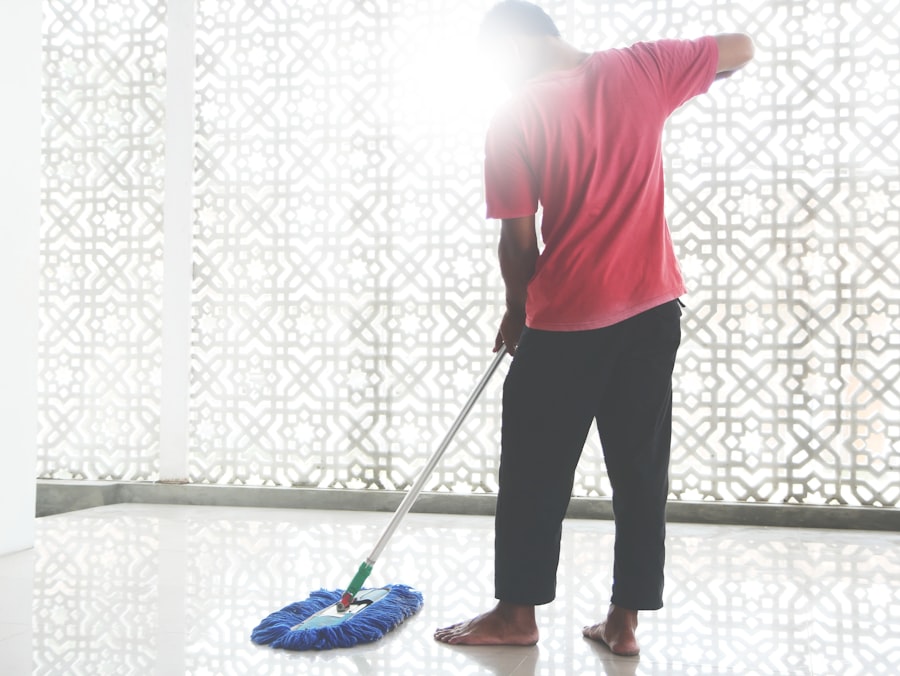
Accidents happen, and knowing how to deal with spills and stains promptly is crucial for maintaining your flooring’s appearance. The first step is to act quickly; the longer a spill sits, the more difficult it becomes to clean up. For hard surfaces like tile or vinyl, blotting the spill with a clean cloth is often sufficient.
Avoid rubbing, as this can spread the stain further or damage the surface. For carpets, it’s essential to use the right technique when addressing stains. Blotting with a clean cloth or paper towel is key; start from the outside of the stain and work inward to prevent spreading.
Depending on the type of stain, you may need a specialized carpet cleaner or a homemade solution like vinegar and water. Always test any cleaning solution on an inconspicuous area first to ensure it won’t cause discoloration or damage. By being prepared for spills and stains, you can keep your floors looking fresh and clean.
Professional Cleaning and Maintenance
While regular cleaning is essential for maintaining your floors, there are times when professional cleaning may be necessary. Over time, even the best-maintained floors can accumulate dirt and grime that regular cleaning cannot remove. Hiring professionals who specialize in floor care can provide a deep clean that revitalizes your flooring’s appearance.
For carpets, professional steam cleaning can eliminate deep-seated dirt and allergens that regular vacuuming may miss. Similarly, hardwood floors may benefit from professional refinishing every few years to restore their luster and protect against wear. Tile floors often require specialized equipment to clean grout lines effectively.
Investing in professional cleaning services periodically can extend the life of your flooring and keep it looking its best.
Tips for High-Traffic Areas
High-traffic areas in your home require special attention when it comes to flooring maintenance. These spaces often experience more wear and tear than others, making it essential to implement strategies that protect them effectively. One effective approach is to use durable materials specifically designed for high-traffic zones; for instance, luxury vinyl tiles or laminate flooring can withstand heavy foot traffic while still looking stylish.
In addition to choosing the right materials, consider placing area rugs or mats in these areas to absorb impact and protect the underlying flooring. Regularly cleaning these rugs will also help maintain their appearance while preventing dirt from spreading onto your main flooring surface. Lastly, encourage family members and guests to be mindful of their footwear; providing a designated shoe storage area near entrances can help minimize dirt tracked into your home.
By taking these steps, you’ll ensure that even the busiest areas of your home remain beautiful and well-maintained. In conclusion, understanding your flooring material and implementing effective maintenance strategies is key to preserving its beauty and functionality over time. From daily upkeep to professional cleaning services, each step plays a vital role in ensuring that your floors remain in excellent condition for years to come.
By being proactive about care and maintenance, you’ll create a welcoming environment that enhances the overall aesthetic of your home while providing comfort underfoot.
When it comes to maintaining the pristine condition of new floors, selecting the right cleaning methods is crucial. An insightful article that complements the topic of “What Are the Best Floor Cleaning Methods for New Floors” can be found on the Property Cleaning blog. This article delves into various cleaning techniques and tips that ensure your floors remain spotless and well-maintained. For more detailed information and expert advice, you can explore the related content by visiting the Property Cleaning Blog. This resource provides valuable insights into effective cleaning practices tailored for different types of flooring, helping you preserve the beauty and longevity of your new floors.
FAQs
What are the best floor cleaning methods for new floors?
The best floor cleaning methods for new floors depend on the type of flooring material. For hardwood floors, it’s best to use a microfiber mop and a pH-neutral cleaner. For tile floors, a mixture of warm water and mild detergent works well. For laminate floors, a damp mop with a gentle cleaner is recommended.
How often should I clean new floors?
New floors should be cleaned regularly to maintain their appearance and longevity. For high-traffic areas, it’s best to clean the floors at least once a week. For low-traffic areas, cleaning every two weeks should be sufficient.
Can I use a steam mop on new floors?
It’s important to check with the flooring manufacturer before using a steam mop on new floors. While some flooring materials can withstand steam cleaning, others may be damaged by the heat and moisture.
Are there any cleaning products I should avoid on new floors?
Avoid using harsh chemicals, abrasive cleaners, or excessive water on new floors, as these can damage the flooring material. It’s best to use pH-neutral cleaners and gentle cleaning methods to preserve the new floors.
How can I prevent scratches and damage to new floors?
To prevent scratches and damage to new floors, it’s important to use furniture pads or felt protectors on the legs of furniture. Additionally, placing doormats at entryways can help trap dirt and debris before it reaches the floors. Regular sweeping and vacuuming can also prevent scratches from dirt and grit.


