


In any industry, the presence of a regulatory body is crucial for maintaining standards and ensuring compliance with laws. For cleaning services, this regulatory body often encompasses local, state, and federal agencies that oversee various aspects of the business. These agencies are responsible for establishing guidelines that cleaning companies must follow to operate legally and ethically.
The regulatory framework can vary significantly depending on the location and the specific services offered. For instance, some states may have stringent regulations regarding the use of certain cleaning chemicals, while others may focus more on labor practices.
Understanding the role of these regulatory bodies is essential for cleaning service providers, as it helps them navigate the complex landscape of compliance and avoid potential legal issues. By staying informed about the requirements set forth by these agencies, cleaning companies can operate more effectively and build trust with their clients.
Key Takeaways
- Understanding the regulatory body is crucial for compliance with industry standards and regulations.
- Licensing and certification requirements must be met to legally operate a cleaning business.
- Insurance and bonding obligations are necessary to protect the business and its clients from potential risks.
- Compliance with workplace health and safety standards is essential to ensure the well-being of employees and clients.
- Environmental regulations for cleaning products must be followed to minimize the impact on the environment.
Licensing and Certification Requirements
Licensing and certification are fundamental components of operating a legitimate cleaning service. Most states require cleaning businesses to obtain specific licenses before they can legally offer their services. This process often involves submitting an application, paying a fee, and sometimes passing an examination that tests knowledge of industry standards and practices.
The purpose of these licenses is to ensure that cleaning companies meet minimum qualifications and adhere to safety regulations. In addition to general business licenses, certain certifications may be beneficial or even required for specialized cleaning services. For example, companies that offer biohazard cleanup or mold remediation may need additional certifications to demonstrate their expertise in handling hazardous materials safely.
Obtaining these licenses and certifications not only helps businesses comply with legal requirements but also enhances their credibility in the eyes of potential clients. Clients are more likely to choose a cleaning service that can prove its qualifications through proper licensing and certification.
Insurance and Bonding Obligations
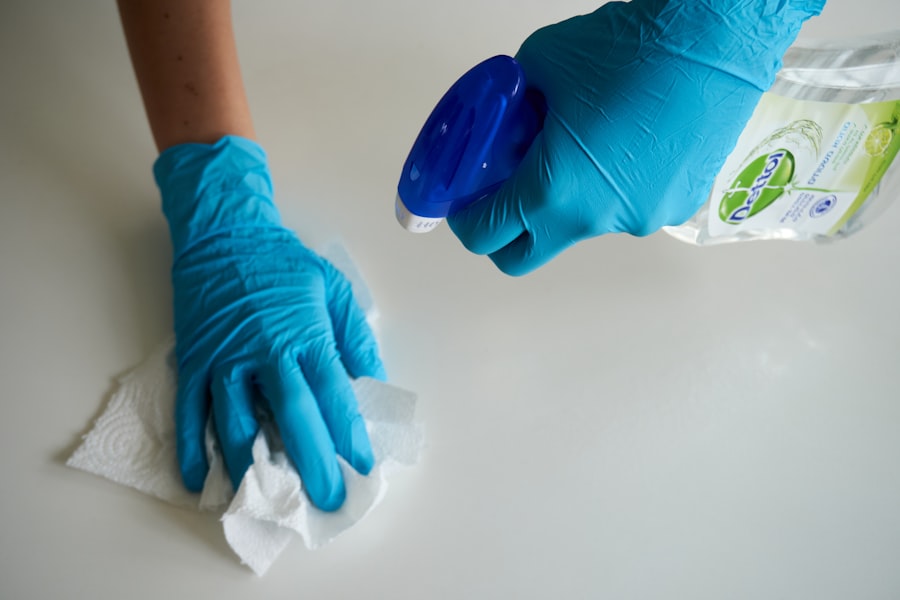
Insurance and bonding are critical aspects of risk management for cleaning service providers. Liability insurance protects businesses from financial losses resulting from accidents or damages that occur during the course of their work. For instance, if a cleaner accidentally damages a client’s property, liability insurance can cover the costs associated with repairs or replacements.
This type of insurance is not only a smart business decision but often a requirement for obtaining contracts with larger clients or commercial properties. Bonding, on the other hand, serves as a form of financial protection for clients. A bonded cleaning service guarantees that it will fulfill its contractual obligations; if it fails to do so, clients can file a claim against the bond to recover their losses.
This added layer of security can be a significant selling point for potential customers who want assurance that they are hiring a reliable service. By investing in appropriate insurance and bonding, cleaning companies can protect themselves from unforeseen circumstances while also instilling confidence in their clients.
Compliance with Workplace Health and Safety Standards
| Year | Number of Workplace Incidents | Number of Safety Inspections Conducted | Percentage of Compliance |
|---|---|---|---|
| 2018 | 45 | 120 | 85% |
| 2019 | 32 | 150 | 90% |
| 2020 | 25 | 180 | 92% |
Workplace health and safety standards are paramount in the cleaning industry, where employees often handle potentially hazardous materials and equipment. Compliance with these standards is not only a legal obligation but also a moral responsibility to ensure the well-being of workers. Regulatory bodies such as the Occupational Safety and Health Administration (OSHA) set forth guidelines that cleaning companies must follow to create a safe working environment.
To comply with these standards, cleaning service providers must implement safety training programs for their employees, ensuring they understand how to use cleaning products and equipment safely. This includes proper handling techniques, personal protective equipment (PPE) usage, and emergency procedures in case of accidents. Regular safety audits can also help identify potential hazards in the workplace, allowing companies to address issues proactively.
By prioritizing workplace health and safety, cleaning businesses not only protect their employees but also enhance their reputation as responsible employers.
Environmental Regulations for Cleaning Products
The environmental impact of cleaning products has garnered increasing attention in recent years, leading to stricter regulations governing their use.
Regulatory bodies often provide guidelines on which chemicals are permissible and which should be avoided due to their harmful effects on air quality and water sources.
In addition to adhering to these regulations, many cleaning companies are choosing to adopt green practices voluntarily. This includes using biodegradable products, reducing water consumption, and implementing recycling programs. By embracing environmentally friendly practices, cleaning services can appeal to a growing segment of consumers who prioritize sustainability in their purchasing decisions.
Furthermore, compliance with environmental regulations not only helps protect the planet but can also lead to cost savings through reduced waste and more efficient operations.
Wage and Employment Regulations
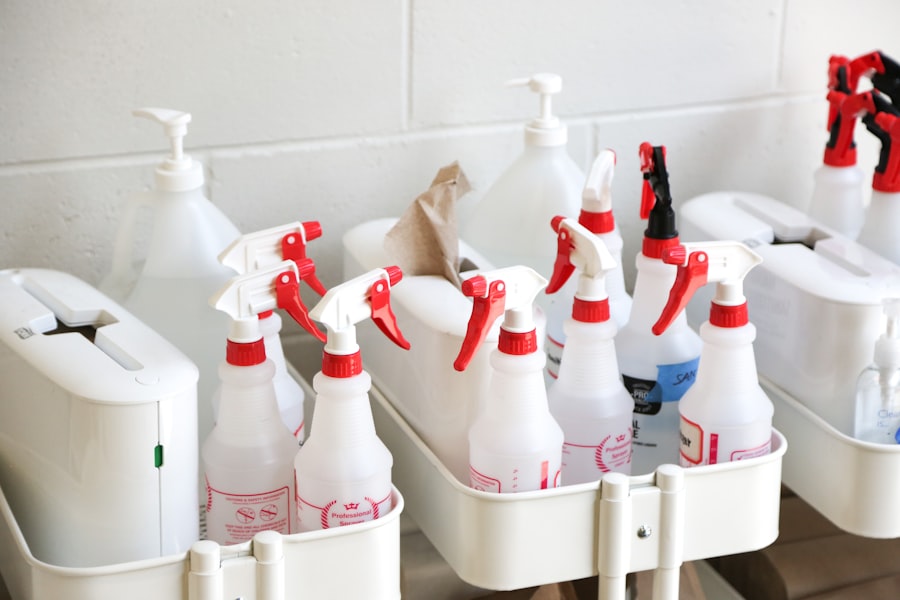
Wage and employment regulations play a significant role in shaping the labor landscape for cleaning services. These regulations dictate minimum wage requirements, overtime pay, and other labor rights that must be upheld by employers. Cleaning companies must ensure they are compliant with both federal and state labor laws to avoid penalties and maintain a fair workplace for their employees.
In addition to wage regulations, employment laws also cover issues such as worker classification (e., distinguishing between employees and independent contractors), anti-discrimination policies, and employee benefits. Cleaning service providers must stay informed about these regulations to ensure they are treating their workers fairly and legally. By fostering a positive work environment that adheres to wage and employment regulations, cleaning companies can improve employee morale, reduce turnover rates, and ultimately enhance their overall productivity.
Tax and Business Registration Obligations
Tax obligations are an essential consideration for any business owner, including those in the cleaning industry. Cleaning service providers must register their business with the appropriate local or state authorities and obtain any necessary tax identification numbers. This registration process ensures that businesses are recognized legally and can operate within their jurisdiction.
In addition to registration, cleaning companies must also be diligent about fulfilling their tax obligations. This includes collecting sales tax from clients where applicable, filing income tax returns, and paying any business-related taxes on time. Failure to comply with tax regulations can result in fines or legal repercussions that could jeopardize the business’s future.
By maintaining accurate financial records and staying informed about tax requirements, cleaning service providers can ensure they remain compliant while also maximizing their profitability.
Client Contract and Consumer Protection Laws
Client contracts are vital for establishing clear expectations between cleaning service providers and their customers. These contracts should outline the scope of work, payment terms, cancellation policies, and any other relevant details that protect both parties involved. Having a well-drafted contract not only helps prevent misunderstandings but also serves as a legal safeguard in case disputes arise.
Consumer protection laws further enhance the relationship between cleaning services and their clients by ensuring fair treatment in business transactions. These laws prohibit deceptive practices such as false advertising or misrepresentation of services offered. Cleaning companies must be transparent about their pricing structures and any additional fees that may apply.
By adhering to consumer protection laws and maintaining open communication with clients, cleaning services can build trust and foster long-term relationships with their customers.
Handling Disputes and Complaints
Disputes and complaints are an inevitable part of running any business, including cleaning services. How a company handles these issues can significantly impact its reputation and client retention rates. Establishing a clear process for addressing complaints is essential for resolving conflicts efficiently while maintaining customer satisfaction.
Cleaning service providers should encourage open communication with clients regarding any concerns they may have about the quality of service received. Promptly addressing complaints demonstrates professionalism and a commitment to customer satisfaction. Additionally, having a formal dispute resolution process in place can help mitigate potential legal issues by providing a structured approach to resolving conflicts amicably.
By prioritizing effective complaint handling, cleaning companies can enhance their reputation while fostering loyalty among their client base.
Adhering to Advertising and Marketing Regulations
Advertising and marketing regulations govern how businesses promote their services to potential clients. For cleaning services, this includes ensuring that all advertising materials are truthful and not misleading. Regulatory bodies often have specific guidelines regarding claims made in advertisements, such as guarantees of results or pricing structures.
Cleaning companies must also be cautious about using testimonials or endorsements in their marketing efforts. These should be genuine representations of customer experiences rather than fabricated or exaggerated claims. By adhering to advertising regulations, cleaning services can build credibility with potential clients while avoiding legal pitfalls associated with false advertising practices.
A transparent approach to marketing not only fosters trust but also enhances brand reputation in a competitive marketplace.
Staying Informed about Regulatory Updates and Changes
The regulatory landscape is constantly evolving, making it essential for cleaning service providers to stay informed about updates and changes that may affect their operations. Regularly reviewing industry news, attending workshops or seminars, and participating in professional associations can help business owners remain aware of new regulations or amendments to existing laws. By proactively seeking information about regulatory changes, cleaning companies can adapt their practices accordingly to ensure ongoing compliance.
This commitment to staying informed not only protects the business from potential legal issues but also positions it as a leader in the industry by demonstrating a dedication to best practices. Ultimately, being proactive about regulatory compliance allows cleaning services to focus on delivering high-quality work while minimizing risks associated with non-compliance.
FAQs
What are the regulations for cleaning services in Victoria, Australia?
In Victoria, Australia, cleaning services are regulated by the Victorian Government’s Department of Health and Human Services. The regulations cover areas such as hygiene standards, safety requirements, and licensing for cleaning businesses.
What are the hygiene standards for cleaning services in Victoria, Australia?
Cleaning services in Victoria, Australia are required to adhere to strict hygiene standards to ensure the safety and well-being of their clients. This includes using appropriate cleaning products, maintaining cleanliness in work areas, and following proper sanitation procedures.
What safety requirements do cleaning services in Victoria, Australia need to meet?
Cleaning services in Victoria, Australia must comply with safety requirements to protect both their employees and clients. This includes providing appropriate training for handling cleaning chemicals, using personal protective equipment, and implementing safe work practices.
Do cleaning businesses in Victoria, Australia need to be licensed?
Yes, cleaning businesses in Victoria, Australia are required to be licensed in order to operate legally. This helps ensure that they meet the necessary standards for hygiene, safety, and quality of service.
