

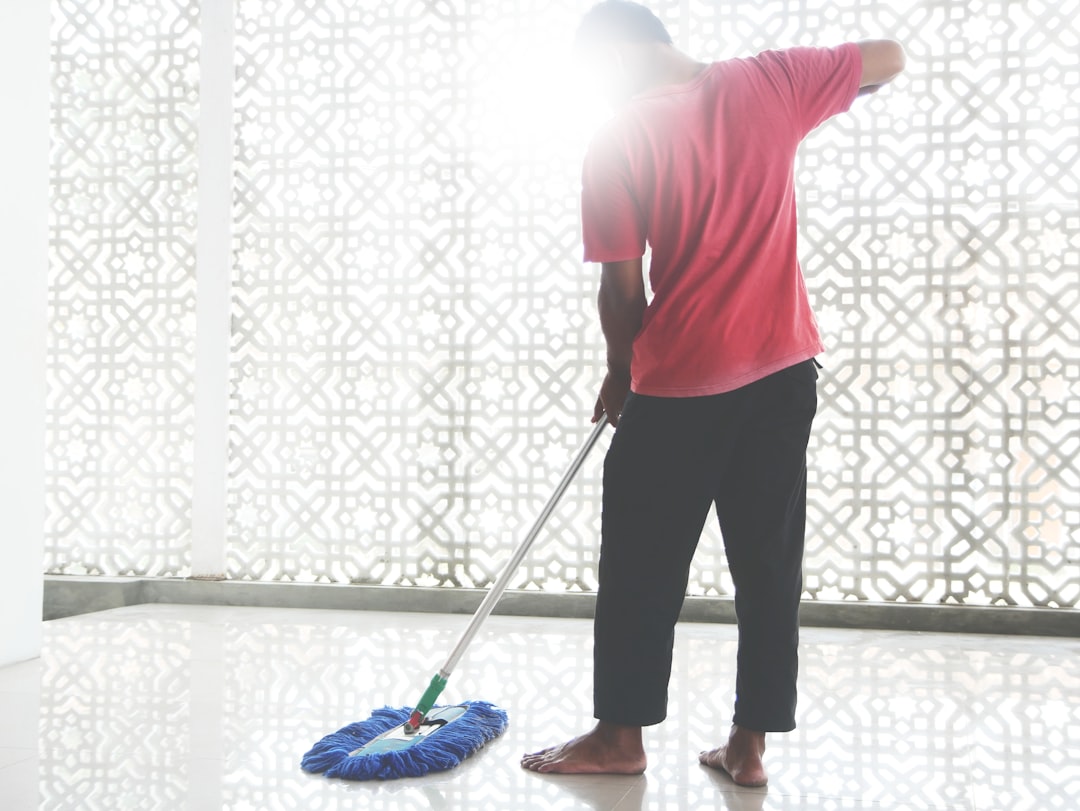
In our daily lives, cleanliness is often equated with health and well-being. However, the methods we use to achieve that cleanliness can significantly impact our health and the environment. Safe cleaning practices are essential not only for maintaining a tidy home but also for ensuring that the air we breathe and the surfaces we touch are free from harmful substances.
The importance of these practices cannot be overstated, as they help to minimize exposure to toxic chemicals, reduce the risk of accidents, and promote a healthier living environment. Moreover, adopting safe cleaning practices fosters a sense of responsibility towards our surroundings. By being mindful of the products we use and the methods we employ, we contribute to a larger movement aimed at protecting our planet.
This awareness encourages us to seek alternatives that are not only effective but also environmentally friendly. In essence, safe cleaning practices are a vital component of a holistic approach to health and sustainability, benefiting both individuals and the community at large.
Key Takeaways
- Safe cleaning practices are important for maintaining a healthy and safe environment.
- Harmful chemicals in cleaning products can have negative effects on health and the environment.
- Choosing safe and effective cleaning products is essential for maintaining a clean and safe space.
- Creating a cleaning schedule and routine can help maintain a clean and organized environment.
- Proper ventilation and air quality are important factors in maintaining a healthy and safe space.
Identifying Harmful Chemicals in Cleaning Products
Many conventional cleaning products contain a cocktail of chemicals that can pose serious health risks. Ingredients such as ammonia, bleach, and phthalates are commonly found in household cleaners, and their potential dangers are often overlooked. Ammonia, for instance, can irritate the respiratory system and cause skin burns, while bleach can lead to severe respiratory issues when inhaled.
Understanding these harmful chemicals is crucial for making informed choices about the products we bring into our homes. Additionally, some cleaning products may contain fragrances that mask unpleasant odors but can trigger allergies or asthma attacks in sensitive individuals. Phthalates, often used to enhance scent longevity, have been linked to hormonal disruptions and reproductive issues.
By identifying these harmful chemicals, consumers can take proactive steps to avoid them, opting instead for safer alternatives that do not compromise their health or the environment.
Choosing Safe and Effective Cleaning Products
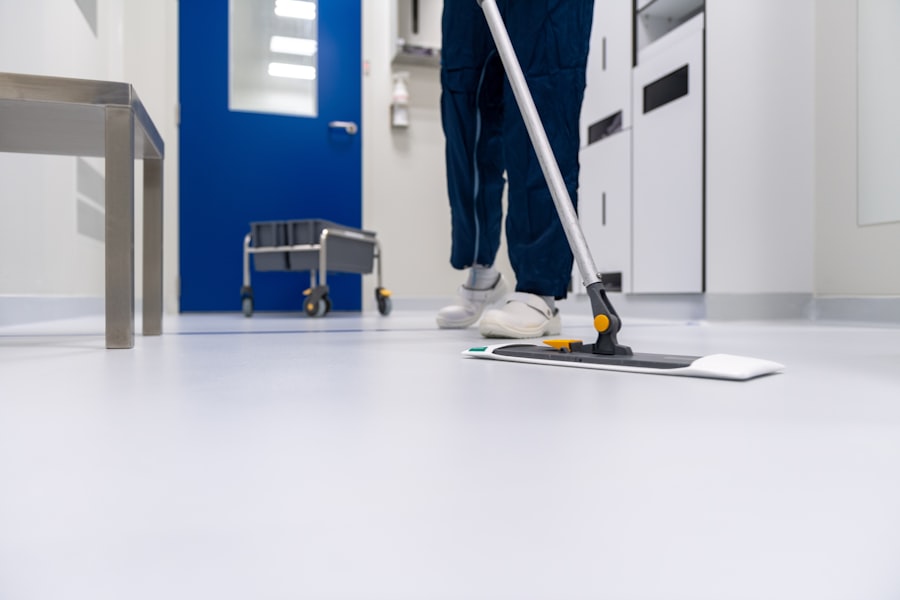
With an increasing awareness of the dangers posed by traditional cleaning products, many consumers are now seeking safer alternatives. When choosing cleaning products, it is essential to look for those that are labeled as non-toxic or eco-friendly. These products typically contain natural ingredients that are less likely to cause harm to both humans and the environment.
For instance, vinegar and baking soda are excellent natural cleaners that can effectively tackle a variety of household messes without the risks associated with chemical-laden products. In addition to seeking out safer ingredients, it is also important to consider the effectiveness of these products. Many eco-friendly options have been rigorously tested to ensure they can compete with their conventional counterparts in terms of cleaning power.
Reading reviews and seeking recommendations from trusted sources can help consumers make informed decisions about which products will work best for their specific cleaning needs. Ultimately, choosing safe and effective cleaning products is a crucial step towards creating a healthier home environment.
Creating a Cleaning Schedule and Routine
| Task | Frequency | Responsible |
|---|---|---|
| Vacuuming | Twice a week | Household members |
| Dusting | Once a week | Household members |
| Mopping | Once a week | Household members |
| Bathroom cleaning | Once a week | Household members |
| Kitchen cleaning | Twice a week | Household members |
Establishing a cleaning schedule and routine can significantly enhance the effectiveness of your cleaning efforts while also promoting safety. A well-structured plan allows you to break down tasks into manageable segments, ensuring that no area of your home is neglected. By designating specific days for particular tasks—such as dusting on Mondays or mopping on Fridays—you can maintain a consistently clean environment without feeling overwhelmed.
Moreover, incorporating safety measures into your routine is essential. For example, always ensure that you have adequate time to ventilate your space after using any cleaning products, even if they are deemed safe. This practice not only helps to eliminate any lingering odors but also reduces the risk of inhaling potentially harmful fumes.
By creating a thoughtful cleaning schedule that prioritizes both cleanliness and safety, you can cultivate a home that is both inviting and healthy.
Proper Ventilation and Air Quality
Proper ventilation is a critical aspect of maintaining good air quality in your home, especially when using cleaning products. Many cleaners release volatile organic compounds (VOCs) into the air, which can lead to headaches, dizziness, and long-term health issues if inhaled in large quantities. To mitigate these risks, it is essential to ensure that your living spaces are well-ventilated during and after cleaning sessions.
Opening windows and doors while cleaning can help facilitate airflow and disperse any harmful fumes. Additionally, using exhaust fans in kitchens and bathrooms can further improve air circulation. If outdoor conditions do not permit open windows—such as during extreme weather—consider using air purifiers equipped with HEPA filters to capture airborne pollutants.
By prioritizing proper ventilation and air quality, you create a safer environment for yourself and your family.
Safe Handling and Storage of Cleaning Products
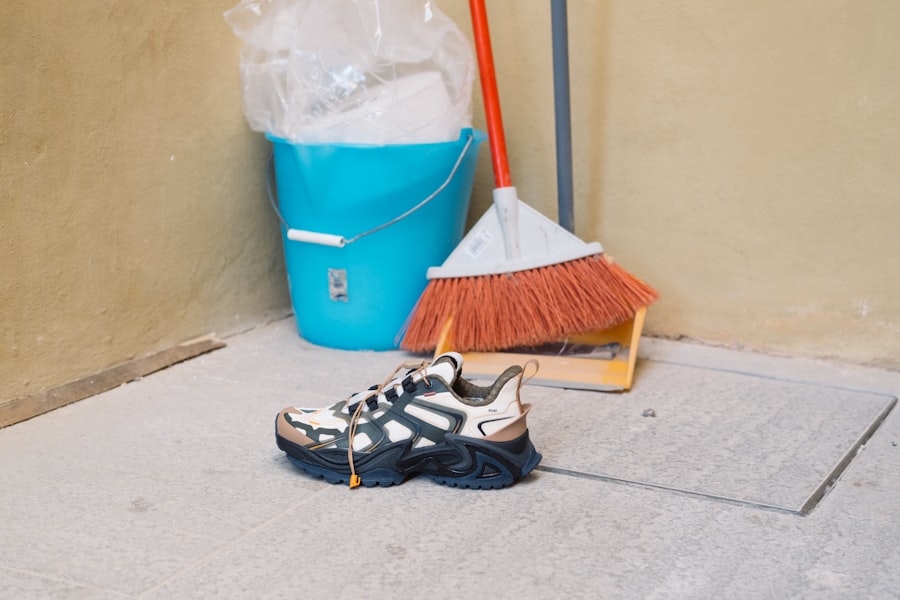
The way we handle and store cleaning products plays a significant role in ensuring safety within our homes. It is crucial to read labels carefully and follow instructions for use to avoid accidents or adverse reactions. For instance, mixing certain cleaners—like bleach and ammonia—can produce toxic gases that pose serious health risks.
Always use cleaning products as directed and never attempt to combine them unless explicitly stated as safe. Storage is equally important; keeping cleaning products out of reach of children and pets is essential for preventing accidental ingestion or exposure. Ideally, these products should be stored in a cool, dry place away from direct sunlight.
Using child-proof locks on cabinets where cleaning supplies are kept can provide an additional layer of safety. By practicing safe handling and storage techniques, you can significantly reduce the risk of accidents in your home.
Implementing Green Cleaning Practices
Green cleaning practices not only promote a healthier home but also contribute positively to the environment. By opting for natural ingredients like lemon juice, baking soda, or essential oils, you can create effective cleaning solutions without relying on harsh chemicals. These eco-friendly alternatives are often just as effective as traditional cleaners while being safer for both your family and the planet.
Additionally, consider reducing waste by using reusable cleaning cloths instead of disposable paper towels. This simple switch not only cuts down on landfill waste but also saves money in the long run. Furthermore, purchasing concentrated cleaning solutions can minimize packaging waste while allowing you to customize the strength of your cleaner based on your needs.
By implementing green cleaning practices, you take meaningful steps towards sustainability while ensuring a safe living environment.
Seeking Professional Help when Necessary
While many cleaning tasks can be managed independently, there are times when seeking professional help is the best course of action. For instance, deep-cleaning carpets or upholstery may require specialized equipment and expertise that most homeowners do not possess. Additionally, if you find yourself dealing with mold or mildew issues that seem beyond your control, it’s wise to consult professionals who can address these problems safely and effectively.
Professional cleaners often have access to advanced tools and eco-friendly products that can enhance the cleanliness of your home without compromising safety. They are trained to handle various situations with care and precision, ensuring that your living space remains healthy and inviting. When in doubt about how to tackle a particular cleaning challenge or if you simply lack the time or energy to do it yourself, don’t hesitate to reach out for professional assistance.
In conclusion, understanding safe cleaning practices is essential for maintaining a healthy home environment. By identifying harmful chemicals in conventional products, choosing safer alternatives, creating structured routines, ensuring proper ventilation, handling products safely, implementing green practices, and seeking professional help when needed, we can all contribute to a cleaner and safer world for ourselves and future generations. Embracing these principles not only enhances our immediate surroundings but also fosters a greater sense of responsibility towards our planet as a whole.
For new homeowners eager to maintain a clean and safe living environment, understanding effective cleaning practices is crucial. An excellent resource to complement your knowledge on safe cleaning practices is the article on Telldesk Home Page. This article provides insights into innovative cleaning solutions and tools that can enhance your cleaning routine, ensuring your home remains a healthy and welcoming space. By integrating these advanced techniques, new homeowners can achieve a higher standard of cleanliness while also safeguarding their household from potential hazards.
FAQs
What are safe cleaning practices for new homeowners?
Some safe cleaning practices for new homeowners include using natural cleaning products, properly ventilating the space while cleaning, wearing protective gear such as gloves and masks, and following the instructions on cleaning product labels.
Why is it important for new homeowners to practice safe cleaning?
It is important for new homeowners to practice safe cleaning to protect their health and the environment. Using harsh chemicals and improper cleaning techniques can lead to respiratory issues, skin irritation, and environmental pollution.
What are some natural cleaning products that new homeowners can use?
New homeowners can use natural cleaning products such as vinegar, baking soda, lemon juice, and essential oils for cleaning. These products are non-toxic, environmentally friendly, and effective for various cleaning tasks.
How can new homeowners properly ventilate their space while cleaning?
New homeowners can properly ventilate their space while cleaning by opening windows and doors to allow fresh air to circulate. Using fans and air purifiers can also help improve indoor air quality during cleaning.
What protective gear should new homeowners wear while cleaning?
New homeowners should wear protective gear such as gloves, masks, and aprons while cleaning to protect their skin, respiratory system, and clothing from exposure to cleaning chemicals and germs.
Why is it important for new homeowners to follow the instructions on cleaning product labels?
It is important for new homeowners to follow the instructions on cleaning product labels to ensure safe and effective use of the products. Improper use of cleaning products can lead to accidents, health hazards, and damage to surfaces.


