


When you invest time and resources into cleaning your carpets, it’s essential to understand the significance of vacuuming afterward. Carpet cleaning, whether done professionally or through DIY methods, aims to remove dirt, stains, and allergens that accumulate over time. However, the process doesn’t end with the cleaning itself.
Vacuuming plays a crucial role in ensuring that your carpets not only look pristine but also maintain their longevity and hygiene. By vacuuming after cleaning, you can effectively lift any remaining debris and moisture that may have settled into the fibers during the cleaning process. Moreover, vacuuming serves as a final touch that enhances the overall appearance of your carpets.
After a thorough cleaning, carpets may still appear slightly matted or uneven due to the moisture and cleaning solutions used. A good vacuuming session can help restore the carpet’s texture and fluffiness, making it look fresh and inviting. This step is particularly important if you have invested in professional carpet cleaning services; you want to ensure that the results reflect the quality of the service you paid for.
Key Takeaways
- Vacuuming after carpet cleaning is important to remove any remaining dirt, debris, and cleaning solution from the carpet fibers.
- Benefits of vacuuming after carpet cleaning include prolonging the life of the carpet, improving indoor air quality, and maintaining a clean and fresh appearance.
- Potential drawbacks of not vacuuming after carpet cleaning include re-soiling, matting, and the potential for mold and mildew growth.
- Vacuuming enhances the carpet cleaning process by ensuring that all dirt and cleaning solution are thoroughly removed, allowing the carpet to dry faster and preventing re-soiling.
- Tips for effective vacuuming after carpet cleaning include using a high-quality vacuum with strong suction, focusing on high-traffic areas, and using proper vacuuming techniques such as overlapping strokes.
Benefits of Vacuuming After Carpet Cleaning
Vacuuming after carpet cleaning offers numerous benefits that extend beyond mere aesthetics. One of the primary advantages is the removal of residual cleaning agents. Many carpet cleaning solutions contain chemicals that can leave behind a sticky residue if not properly extracted.
By vacuuming, you can eliminate these residues, preventing them from attracting dirt and grime in the future. This not only keeps your carpets cleaner for longer but also contributes to a healthier indoor environment. In addition to removing residues, vacuuming helps to eliminate any remaining dirt particles that may have been loosened during the cleaning process.
Even the most thorough carpet cleaning can leave behind some debris, especially in high-traffic areas where dirt tends to accumulate. By vacuuming, you ensure that these particles are lifted away, reducing the likelihood of them settling back into the carpet fibers. This proactive approach not only enhances cleanliness but also prolongs the life of your carpets by preventing wear and tear caused by trapped dirt.
Potential Drawbacks of Not Vacuuming After Carpet Cleaning
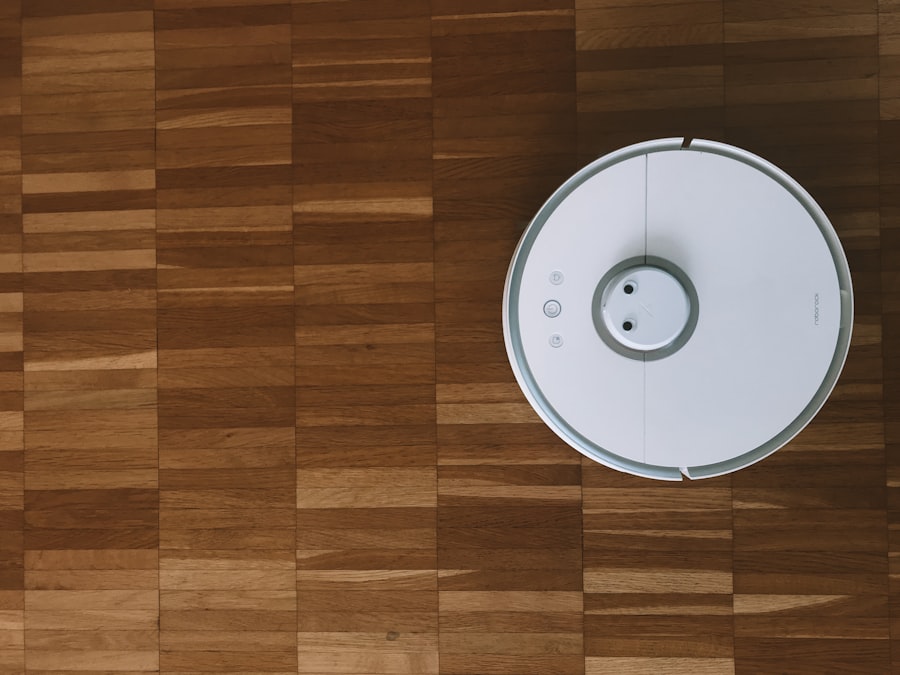
Neglecting to vacuum after carpet cleaning can lead to several potential drawbacks that may compromise the effectiveness of your efforts. One significant issue is the risk of mold and mildew growth. If your carpets are still damp after cleaning and are not vacuumed to remove excess moisture, they can become a breeding ground for mold and mildew.
This not only poses health risks but can also lead to unpleasant odors and further damage to your carpets. Additionally, failing to vacuum can result in a less-than-satisfactory appearance. You may notice that your carpets look dull or flat, which can be disheartening after investing time and money into cleaning them.
Without vacuuming, any remaining dirt or debris can settle back into the fibers, negating the benefits of your cleaning efforts. Ultimately, skipping this crucial step can lead to a cycle of repeated cleanings without achieving the desired results.
How Vacuuming Enhances the Carpet Cleaning Process
| Benefits of Vacuuming | How it Enhances Carpet Cleaning |
|---|---|
| Removes Surface Debris | Allows for deeper cleaning by removing loose dirt and debris |
| Prevents Matting and Crushing | Helps maintain carpet texture and appearance |
| Improves Air Quality | Reduces allergens and dust in the carpet fibers |
| Extends Carpet Lifespan | Reduces wear and tear on the carpet fibers |
Vacuuming is not merely an afterthought; it is an integral part of the carpet cleaning process that enhances its overall effectiveness. When you vacuum before cleaning, you remove loose dirt and debris, allowing the cleaning solution to penetrate deeper into the carpet fibers. This pre-cleaning vacuuming ensures that the cleaning process is more efficient and thorough, as it targets embedded dirt rather than just surface-level grime.
After cleaning, vacuuming serves a similar purpose by ensuring that any remaining particles or moisture are effectively removed. This step helps to restore the carpet’s texture and appearance while also promoting faster drying times. When carpets dry more quickly, there is less chance for mold growth or odors to develop.
Thus, vacuuming acts as a bridge between the cleaning process and maintaining a healthy living environment.
Tips for Effective Vacuuming After Carpet Cleaning
To maximize the benefits of vacuuming after carpet cleaning, consider implementing a few effective strategies. First, ensure that your vacuum cleaner is in good working condition. Check for clean filters and empty dust bags or containers to ensure optimal suction power.
A well-maintained vacuum will do a better job of lifting dirt and debris from your freshly cleaned carpets. Another tip is to take your time while vacuuming. Rushing through this process can lead to missed spots or inadequate removal of debris.
Instead, use slow, deliberate movements to allow the vacuum cleaner to effectively lift dirt from deep within the carpet fibers. Additionally, consider using different attachments for various areas of your carpet; for instance, using a brush attachment can help reach corners and edges more effectively.
Frequency of Vacuuming After Carpet Cleaning

The frequency with which you should vacuum after carpet cleaning depends on several factors, including foot traffic in your home and the type of carpet you have. In high-traffic areas or homes with pets, it’s advisable to vacuum more frequently—ideally within 24 hours after cleaning—to ensure that any residual dirt or moisture is promptly removed. This proactive approach helps maintain cleanliness and prevents any potential issues related to dampness.
For less-trafficked areas or homes without pets, you may find that vacuuming once every few days after a deep clean is sufficient. However, always be attentive to how your carpets look and feel; if they appear dirty or matted sooner than expected, don’t hesitate to vacuum more often. Ultimately, staying attuned to your carpets’ needs will help you determine the best frequency for effective maintenance.
Professional Recommendations for Vacuuming After Carpet Cleaning
Many professional carpet cleaners emphasize the importance of vacuuming as part of their post-cleaning recommendations. They often suggest waiting at least 24 hours after cleaning before vacuuming to allow carpets to dry completely. This waiting period helps prevent any potential damage from vacuuming damp carpets while still ensuring that you remove any residual dirt or cleaning agents.
Additionally, professionals recommend using a high-quality vacuum cleaner with strong suction capabilities and rotating brushes designed for deep cleaning carpets. They may also advise against using vacuums with beater bars on delicate carpet types, as these can cause damage over time. Following these expert recommendations will help you maintain your carpets effectively while preserving their appearance and longevity.
Making the Decision to Vacuum After Carpet Cleaning
In conclusion, deciding whether or not to vacuum after carpet cleaning should be an easy choice given its numerous benefits. From enhancing cleanliness and appearance to preventing potential issues like mold growth, vacuuming plays an essential role in maintaining your carpets’ health and longevity. By taking this simple yet effective step, you ensure that your investment in carpet cleaning yields lasting results.
As you move forward with your carpet care routine, remember that regular maintenance is key to preserving both aesthetics and hygiene in your home. By incorporating post-cleaning vacuuming into your regimen, you not only enhance the effectiveness of your cleaning efforts but also create a healthier living environment for yourself and your family. So next time you clean your carpets, don’t forget this vital step—your carpets will thank you for it!
FAQs
What is the purpose of vacuuming after carpet cleaning?
Vacuuming after carpet cleaning helps to remove any remaining dirt, debris, or cleaning solution from the carpet fibers. It also helps to fluff up the carpet and restore its appearance.
Is it necessary to vacuum after carpet cleaning?
While it is not always necessary to vacuum after carpet cleaning, it is recommended to ensure that any remaining dirt or cleaning solution is removed from the carpet. This can help to prolong the cleanliness and appearance of the carpet.
Can vacuuming after carpet cleaning damage the carpet?
Vacuuming after carpet cleaning should not damage the carpet if done properly. It is important to use a vacuum with the appropriate settings and attachments to avoid causing any damage to the carpet fibers.
How soon after carpet cleaning should you vacuum?
It is recommended to wait until the carpet is completely dry before vacuuming after carpet cleaning. This typically takes around 4-6 hours, but can vary depending on the type of carpet and the cleaning method used.
What type of vacuum should be used after carpet cleaning?
Any type of vacuum can be used after carpet cleaning, as long as it is in good working condition and has the appropriate settings and attachments for cleaning carpets. It is important to ensure that the vacuum is clean and free of any debris that could potentially be transferred back onto the carpet.


