


Establishing a cleaning routine is essential for maintaining a healthy and organized living environment. A well-structured routine not only helps keep your home tidy but also contributes to your overall well-being. When you have a consistent cleaning schedule, it reduces the stress and anxiety that can come from living in clutter.
A clean space promotes clarity of mind, allowing you to focus on other important aspects of your life, whether that be work, family, or personal hobbies. Moreover, a routine can help prevent the buildup of dirt and grime, making it easier to maintain cleanliness over time. In addition to the psychological benefits, a cleaning routine can also enhance the longevity of your belongings.
Regularly dusting surfaces, vacuuming carpets, and cleaning appliances can prevent wear and tear, ultimately saving you money in the long run. Establishing a cleaning routine is not just about aesthetics; it’s about creating a sanctuary where you can thrive. By dedicating time to cleaning, you are investing in your home and your health, ensuring that your living space remains a comfortable and inviting place for you and your loved ones.
Key Takeaways
- Establishing a cleaning routine is important for maintaining a clean and organized living space.
- Setting realistic goals for your cleaning routine will help you stay motivated and on track.
- Creating a schedule for your cleaning routine can help you allocate time for specific tasks and ensure everything gets done.
- Having essential cleaning supplies and tools on hand will make your cleaning routine more efficient and effective.
- Delegating tasks and involving family members can help lighten the cleaning load and promote a sense of shared responsibility.
Setting Realistic Goals for Your Cleaning Routine
When it comes to setting goals for your cleaning routine, realism is key. It’s easy to become overwhelmed by the sheer volume of tasks that need to be accomplished, especially if you’re starting from a place of disarray. Instead of aiming for perfection, focus on achievable objectives that can be completed within a reasonable timeframe.
For instance, rather than committing to deep-cleaning your entire house in one day, break it down into smaller tasks that can be tackled over several days or weeks. This approach not only makes the process more manageable but also allows you to celebrate small victories along the way. Another important aspect of goal-setting is to consider your lifestyle and personal preferences.
If you have a busy schedule or family commitments, it’s crucial to set goals that fit seamlessly into your life. Perhaps you can designate specific days for certain tasks, such as laundry on Wednesdays and bathroom cleaning on Saturdays. By aligning your cleaning goals with your existing commitments, you’ll find it easier to stick to your routine and maintain motivation.
Remember, the aim is to create a sustainable cleaning habit that works for you, rather than an overwhelming checklist that leads to burnout.
Creating a Schedule for Your Cleaning Routine

Once you’ve established realistic goals for your cleaning routine, the next step is to create a schedule that outlines when and how often each task will be completed. A well-thought-out schedule serves as a roadmap, guiding you through your cleaning journey while ensuring that no area of your home is neglected. Start by identifying daily, weekly, and monthly tasks.
Daily tasks might include making the bed and washing dishes, while weekly tasks could involve vacuuming and dusting. Monthly tasks might encompass deeper cleaning activities like washing windows or organizing closets. To make your schedule even more effective, consider using tools such as calendars or apps designed for task management.
These tools can help you set reminders and keep track of what needs to be done. Additionally, visual aids like color-coded charts can make the process more engaging and fun. By having a clear schedule in place, you’ll find it easier to stay on track and hold yourself accountable.
Remember that flexibility is also important; life can be unpredictable, so don’t hesitate to adjust your schedule as needed to accommodate changes in your routine.
Essential Cleaning Supplies and Tools
| Item | Quantity | Usage |
|---|---|---|
| Broom | 1 | Sweeping floors |
| Mop | 1 | Mopping floors |
| All-purpose cleaner | 1 bottle | Cleaning surfaces |
| Microfiber cloths | 5 | Dusting and wiping surfaces |
| Gloves | 1 pair | Protecting hands while cleaning |
Having the right cleaning supplies and tools at your disposal can make all the difference in how efficiently you tackle your cleaning tasks. Start by stocking up on basic supplies such as all-purpose cleaners, disinfectants, sponges, microfiber cloths, and brooms. These essentials will cover most surfaces in your home and help you maintain cleanliness with ease.
Additionally, consider investing in specialized products for specific tasks—like glass cleaner for windows or wood polish for furniture—to achieve optimal results. Beyond cleaning solutions, having the right tools can significantly enhance your efficiency. A vacuum cleaner with various attachments can make it easier to clean carpets, upholstery, and hard-to-reach areas.
Similarly, a mop with a detachable head can simplify floor cleaning while ensuring that you’re using the right technique for different surfaces. Don’t forget about organizational tools like storage bins and caddies; these can help keep your supplies organized and easily accessible. By equipping yourself with the right supplies and tools, you’ll find that cleaning becomes less of a chore and more of a streamlined process.
Tips for Efficient and Effective Cleaning
Cleaning doesn’t have to be a time-consuming endeavor if you employ some smart strategies to maximize efficiency. One effective tip is to adopt the “clean as you go” philosophy. This means tackling messes as they occur rather than letting them accumulate over time.
For example, wipe down kitchen counters after preparing meals or put away items immediately after using them. This proactive approach not only keeps your space tidy but also minimizes the amount of time needed for deep cleaning sessions. Another useful strategy is to work from top to bottom when cleaning a room.
Start with higher surfaces like shelves and countertops before moving on to lower areas such as floors. This way, any dust or debris that falls will be cleaned up during the final stages of your cleaning process. Additionally, consider using timers to create a sense of urgency; set a timer for 15 or 20 minutes and challenge yourself to see how much you can accomplish in that timeframe.
This technique can make cleaning feel less daunting and more manageable while also helping you stay focused.
Delegating Tasks and Involving Family Members
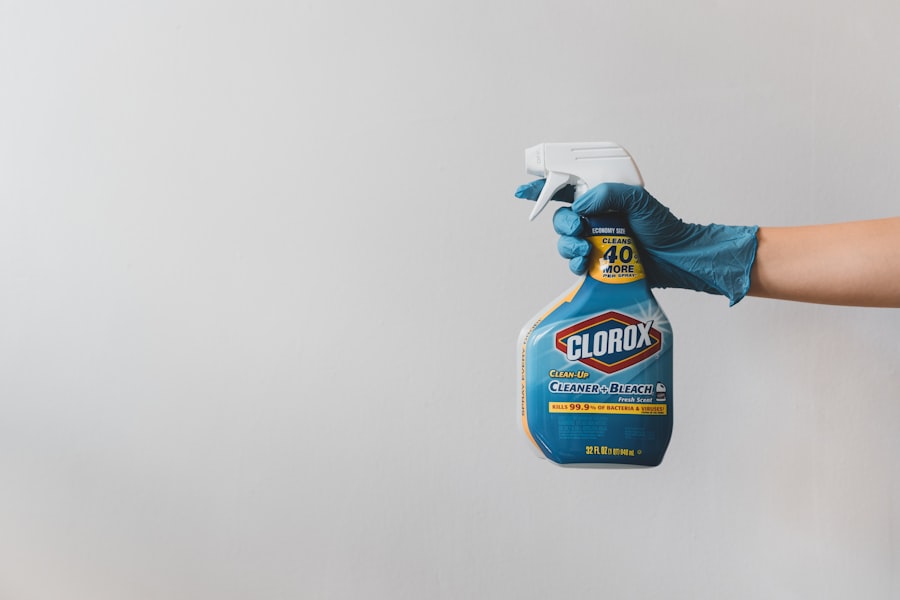
Cleaning doesn’t have to be a solo endeavor; involving family members can make the process more enjoyable while lightening the load for everyone involved. Start by having open conversations about sharing responsibilities around the house. Assign specific tasks based on each person’s strengths or preferences—perhaps one family member enjoys vacuuming while another prefers dusting.
By delegating tasks, you not only foster teamwork but also teach valuable life skills to younger family members. Creating a family cleaning schedule can also help ensure that everyone is on the same page regarding their responsibilities. Consider holding regular family meetings to discuss progress and address any challenges that may arise.
To make it more engaging, turn cleaning into a fun activity by playing music or setting up friendly competitions to see who can complete their tasks the fastest. By involving everyone in the cleaning process, you’ll cultivate a sense of shared ownership over your home while making it a more pleasant place to live.
Maintaining Consistency in Your Cleaning Routine
Consistency is crucial when it comes to reaping the benefits of your cleaning routine. Establishing habits takes time and effort, but once they become ingrained in your daily life, they will require less conscious thought. To maintain consistency, consider setting specific times for cleaning tasks—such as dedicating 15 minutes each morning to tidying up or reserving Saturday mornings for deeper cleaning sessions.
By incorporating these tasks into your daily or weekly rhythm, they will become second nature over time. Another effective way to maintain consistency is through accountability. Share your goals with friends or family members who can help keep you motivated and on track.
You might even consider joining online communities or social media groups focused on cleaning routines where members share tips and progress updates. Celebrating milestones together can provide encouragement and inspiration as you continue on your cleaning journey.
Adjusting and Adapting Your Cleaning Routine as Needed
Life is ever-changing, and so too should your cleaning routine be adaptable to accommodate new circumstances or challenges that arise. Whether it’s a change in work schedules, family dynamics, or even seasonal shifts in weather, being flexible with your routine will help ensure its sustainability over time. Regularly assess what’s working well and what might need adjustment; this reflection will allow you to fine-tune your approach based on current needs.
For instance, if you find that certain tasks are taking longer than anticipated or if new responsibilities have emerged in your life, don’t hesitate to modify your schedule accordingly. You might discover that some tasks can be combined or streamlined for greater efficiency. Embracing change rather than resisting it will empower you to create a cleaning routine that truly fits your lifestyle—one that evolves alongside you while still promoting a clean and organized home environment.
In conclusion, establishing an effective cleaning routine is an invaluable investment in both your home and well-being. By setting realistic goals, creating a structured schedule, equipping yourself with essential supplies, employing efficient strategies, involving family members, maintaining consistency, and being open to adjustments, you’ll cultivate an environment that fosters comfort and peace of mind. Remember that every small step counts; with patience and perseverance, you’ll find yourself enjoying the benefits of a clean and organized space for years to come.
If you’re looking to establish an effective cleaning routine, it’s essential to have a structured plan and the right tools at your disposal. An article that complements the tips for starting a cleaning routine is the “About Us” page on Property Cleaning’s website. This page provides insights into the company’s philosophy and approach to cleaning, which can offer additional guidance and inspiration for your own routine. You can learn more about their methods and values by visiting their About Us page.
FAQs
What are the essential tips for starting a cleaning routine?
– Start by creating a cleaning schedule that fits your lifestyle and needs.
– Break down your cleaning tasks into manageable chunks to avoid feeling overwhelmed.
– Invest in quality cleaning supplies and tools to make the job easier and more efficient.
– Prioritize high-traffic areas and frequently used spaces in your home.
– Establish a daily, weekly, and monthly cleaning routine to maintain a clean and organized living environment.


