

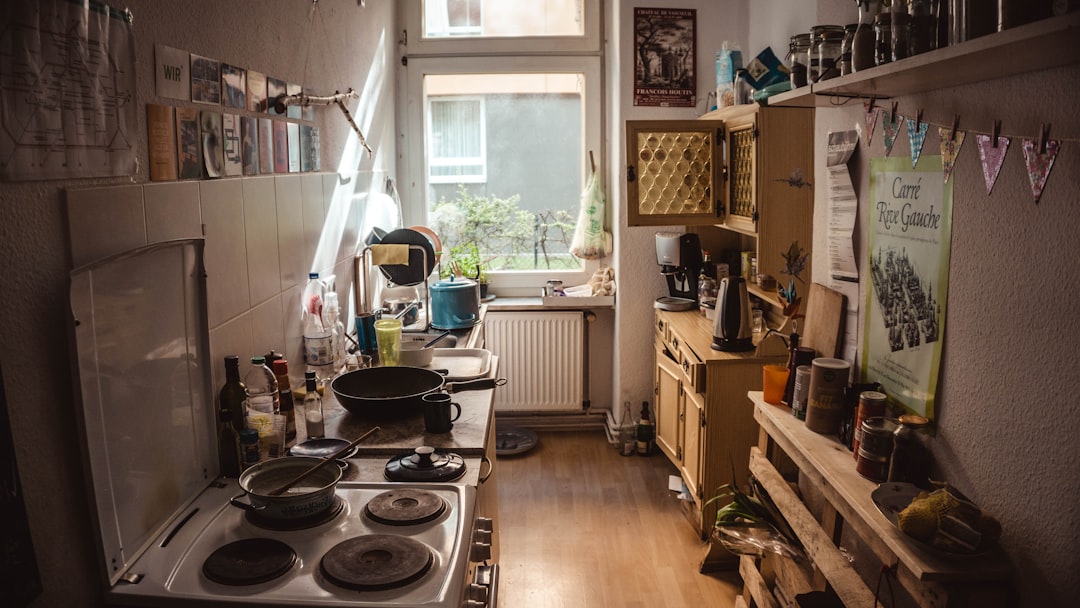
The first step in transforming a chaotic kitchen into a serene cooking space is clearing the clutter. This process involves removing any items that don’t belong in the kitchen or are simply taking up valuable space. Start by assessing your countertops, cabinets, and drawers.
Are there old takeout menus, expired spices, or gadgets you haven’t used in years? It’s time to make some decisions. By eliminating these distractions, you create a more inviting environment that encourages cooking and creativity.
Once you’ve identified the clutter, it’s essential to categorize items into keep, donate, and discard piles. This not only helps in decluttering but also allows you to reflect on what you truly need in your kitchen. For instance, if you find multiple spatulas or mismatched utensils, consider keeping only the best ones.
This process can be surprisingly liberating, as it opens up space and makes your kitchen feel more organized. A clean slate can inspire you to cook more often and enjoy the process without the stress of a disorganized workspace.
Key Takeaways
- Clearing the clutter is the first step to a clean and organized kitchen
- Pre-soaking dishes and utensils can make cleaning easier and more effective
- Wiping down surfaces regularly helps prevent the buildup of grime and bacteria
- Sweeping or vacuuming the floor is essential for keeping the kitchen clean and hygienic
- Emptying the trash and recycling regularly helps maintain a fresh and tidy kitchen
Pre-Soaking Dishes and Utensils
After clearing the clutter, the next step is to tackle the dishes and utensils that have accumulated in the sink or on the counter. Pre-soaking is a simple yet effective technique that can make washing up much easier. Fill your sink or a large basin with warm water and add a few drops of dish soap.
As you soak your dishes, the food particles will loosen, making it easier to scrub them clean later. This method not only saves time but also reduces the effort required to tackle stubborn stains. While the dishes are soaking, take a moment to enjoy a cup of tea or coffee.
This brief pause can make the chore feel less daunting and give you a chance to recharge. Once you’re ready to dive back into the task, you’ll find that the pre-soaked dishes come off much easier than if you had tackled them dry. This small step can transform dishwashing from a dreaded chore into a more manageable task, allowing you to maintain a cleaner kitchen with less effort.
Wiping Down Surfaces

With the dishes soaking, it’s time to turn your attention to wiping down surfaces. A clean kitchen is not just about washing dishes; it’s also about ensuring that countertops, tables, and other surfaces are free from crumbs and spills. Grab a microfiber cloth and your favorite all-purpose cleaner, and start at one end of the kitchen, working your way around.
Pay special attention to areas that often get overlooked, such as behind appliances or under cabinets. As you wipe down surfaces, take note of any areas that may need extra attention in the future. Perhaps there’s a sticky spot on the counter that needs a deeper clean or a corner where dust tends to accumulate.
By addressing these issues now, you can prevent them from becoming bigger problems later on. A clean surface not only looks appealing but also creates a healthier environment for food preparation, making it an essential part of your kitchen cleaning routine.
Sweeping or Vacuuming the Floor
| Method | Time Taken | Frequency | Effectiveness |
|---|---|---|---|
| Sweeping | 10 minutes | Once a day | Good for removing loose debris |
| Vacuuming | 15 minutes | Twice a week | Effective for removing dust and small particles |
Once the surfaces are sparkling clean, it’s time to turn your focus to the floor. Sweeping or vacuuming is an essential step in maintaining a tidy kitchen. Food particles, dust, and debris can easily accumulate on the floor, creating an uninviting atmosphere.
If you have tile or hardwood floors, a broom may be your best bet for quickly gathering up crumbs and dirt. On the other hand, if you have carpeted areas in your kitchen, a vacuum will do wonders in picking up hidden debris. As you sweep or vacuum, take your time to ensure that you’re getting into all the nooks and crannies.
It’s easy to overlook corners or areas beneath cabinets where dirt tends to hide. By being thorough in this step, you’ll create a cleaner environment that feels fresh and inviting. Plus, a clean floor can significantly enhance the overall appearance of your kitchen, making it a more pleasant space for cooking and entertaining.
Emptying the Trash and Recycling
No cleaning routine is complete without addressing waste management. Emptying the trash and recycling bins is a crucial step in maintaining a clean kitchen. As you go about your day-to-day activities, it’s easy for these bins to fill up with food scraps, packaging materials, and other waste.
Regularly emptying them not only keeps odors at bay but also prevents overflow that can lead to messes on the floor. Before taking out the trash, take a moment to sort through any recyclables. Many kitchens have designated bins for paper, plastic, and glass, making it easy to keep recyclable materials separate from regular waste.
By being diligent about recycling, you’re not only keeping your kitchen clean but also contributing positively to the environment. Once everything is sorted and disposed of properly, your kitchen will feel lighter and more organized.
Putting Away Clean Dishes

After tackling the trash and recycling, it’s time to focus on putting away clean dishes. This step is often overlooked but is essential for maintaining an organized kitchen. Start by emptying your drying rack or dishwasher and placing dishes back in their designated spots.
As you do this, take a moment to assess whether everything is in its proper place. Are there items that could be better organized? Perhaps some plates could be stacked differently for easier access.
While putting away dishes may seem like a mundane task, it’s an opportunity to refresh your kitchen organization. Consider grouping similar items together—like bowls with bowls and cups with cups—to create a more cohesive look. This not only makes it easier to find what you need when cooking but also contributes to an overall sense of order in your kitchen space.
Organizing and Restocking Supplies
With clean dishes neatly put away, it’s time to shift gears and focus on organizing and restocking supplies. Take stock of your pantry and cabinets; are there items that need replenishing? Perhaps you’re running low on essential ingredients like flour or sugar, or maybe it’s time to restock spices that have run out.
Creating a well-organized pantry not only makes cooking more enjoyable but also ensures that you have everything you need at your fingertips. As you organize your supplies, consider using clear containers for dry goods or labeling shelves for easy identification. This not only enhances visibility but also adds an aesthetic touch to your kitchen.
A well-organized pantry can inspire creativity in meal planning and make grocery shopping more efficient since you’ll know exactly what you need to buy.
Maintaining a Cleaning Routine
Finally, establishing a regular cleaning routine is key to keeping your kitchen in top shape. A consistent approach can prevent overwhelming messes from accumulating over time. Consider setting aside specific days for deep cleaning tasks—like wiping down appliances or organizing cabinets—while incorporating daily habits such as washing dishes immediately after use or wiping down surfaces after cooking.
Creating a cleaning schedule can help make these tasks feel less daunting and more manageable. You might find it helpful to enlist family members or housemates in this routine; sharing responsibilities can make cleaning feel less like a chore and more like a team effort. By maintaining this routine, you’ll cultivate a kitchen environment that is not only clean but also inviting—a space where cooking becomes a joy rather than a burden.
In conclusion, transforming your kitchen into an organized and clean space requires intentional effort but pays off immensely in terms of functionality and enjoyment. By following these steps—clearing clutter, pre-soaking dishes, wiping surfaces, sweeping floors, managing waste, putting away clean dishes, organizing supplies, and maintaining a routine—you’ll create an inviting atmosphere that inspires culinary creativity while ensuring that your kitchen remains a welcoming hub for family and friends alike.
If you’re looking to streamline your kitchen cleaning routine, you might find the article “What Steps Should I Follow for a Quick Kitchen Cleanup” particularly useful. It offers practical tips and efficient strategies to keep your kitchen spotless in no time. For more comprehensive cleaning services that extend beyond the kitchen, you can explore the various options available on the Property Cleaning Services page. This resource provides detailed information on professional cleaning solutions that can help maintain the cleanliness and hygiene of your entire home.
FAQs
What are the basic steps for a quick kitchen cleanup?
The basic steps for a quick kitchen cleanup include clearing the countertops, washing dishes, wiping down surfaces, sweeping or vacuuming the floor, and taking out the trash.
How can I make the kitchen cleanup process more efficient?
To make the kitchen cleanup process more efficient, it’s helpful to have a designated place for everything, use multi-purpose cleaning products, and clean up as you go while cooking.
What are some tips for maintaining a clean kitchen on a daily basis?
Some tips for maintaining a clean kitchen on a daily basis include wiping down surfaces after each use, doing a quick sweep or wipe of the floor, and putting away dishes immediately after use.
How often should I deep clean my kitchen?
It’s recommended to deep clean your kitchen at least once a month, focusing on tasks such as cleaning the oven, refrigerator, and pantry, as well as scrubbing the floors and baseboards.


