


In today’s fast-paced business environment, the need for transformation within office spaces has become increasingly apparent. Organizations are recognizing that their physical environments significantly impact employee productivity, morale, and overall company culture. As companies evolve, so too must their workspaces, adapting to new ways of working and the diverse needs of their workforce.
The traditional office layout, characterized by cubicles and closed-off spaces, is giving way to more open, collaborative environments that foster creativity and innovation. This shift is not merely cosmetic; it represents a fundamental change in how businesses operate and engage with their employees. The transformation of office spaces is not just about aesthetics; it is about creating an environment that aligns with the company’s vision and values.
A well-designed office can enhance communication, encourage teamwork, and promote a sense of belonging among employees. As organizations strive to attract and retain top talent, the importance of a thoughtfully designed workspace cannot be overstated. The journey toward transformation begins with a clear understanding of the current state of the office and the aspirations for its future.
Key Takeaways
- Transformation of office space is necessary to adapt to changing work dynamics and improve productivity.
- Identifying problem areas is crucial for understanding the needs and challenges of the current office space.
- Creating a vision for the new office space is essential to guide the design concept and ensure a cohesive transformation plan.
- Allocating resources and planning the budget are important steps to ensure a successful revamp of the office space.
- Executing the transformation plan requires careful implementation and coordination of various aspects of the revamp.
Initial Assessment: Identifying Problem Areas
Before embarking on any transformation journey, it is crucial to conduct a thorough initial assessment of the existing office space. This assessment involves identifying problem areas that hinder productivity and employee satisfaction. Common issues may include inadequate lighting, poor acoustics, outdated furniture, and a lack of collaborative spaces.
By gathering feedback from employees through surveys or focus groups, organizations can gain valuable insights into their specific needs and preferences. Additionally, assessing the functionality of the current layout is essential. Are there bottlenecks in workflow?
Are employees able to communicate effectively with one another? Understanding these dynamics will help pinpoint areas that require immediate attention. The goal of this assessment is to create a comprehensive picture of the office environment, highlighting both strengths and weaknesses.
This foundational knowledge will serve as a guiding framework for the subsequent design and planning phases.
Design Concept: Creating a Vision for the New Office Space
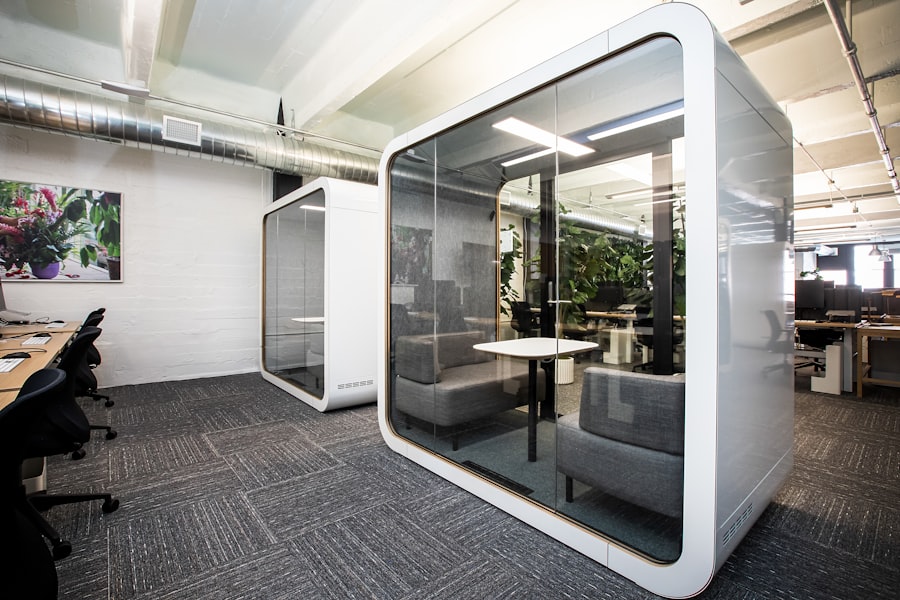
Once the initial assessment is complete, the next step is to develop a design concept that reflects the organization’s vision for its new office space. This phase involves brainstorming ideas that align with the company’s culture and values while also addressing the identified problem areas. Engaging with professional designers or architects can provide valuable expertise in creating a functional and aesthetically pleasing environment.
The design concept should prioritize flexibility and adaptability, allowing for various work styles and collaboration methods. Incorporating elements such as open workspaces, breakout areas, and quiet zones can cater to different employee preferences. Furthermore, integrating biophilic design principles—such as natural light, greenery, and organic materials—can enhance employee well-being and productivity.
Ultimately, the design concept should encapsulate the essence of the organization while fostering an atmosphere conducive to innovation and teamwork.
Budgeting and Planning: Allocating Resources for the Revamp
| Metrics | Q1 | Q2 | Q3 | Q4 |
|---|---|---|---|---|
| Budget Allocation | 200,000 | 250,000 | 300,000 | 275,000 |
| Resource Utilization | 75% | 80% | 85% | 90% |
| Project Timeline | 6 months | 5 months | 4 months | 4.5 months |
With a clear design concept in hand, organizations must turn their attention to budgeting and planning for the office revamp. This stage involves determining the financial resources required to bring the vision to life while ensuring that expenditures align with the company’s overall budgetary constraints. It is essential to consider not only the costs associated with construction and furnishings but also potential disruptions to daily operations during the transformation process.
Creating a detailed project plan that outlines timelines, milestones, and responsibilities can help keep the project on track. Organizations may also explore various funding options, such as reallocating existing budgets or seeking external financing if necessary. Transparency in budgeting is crucial; stakeholders should be kept informed about financial decisions to foster trust and collaboration throughout the process.
Implementation: Executing the Transformation Plan
The implementation phase marks a significant turning point in the office transformation journey. This stage involves executing the carefully crafted plan while ensuring minimal disruption to daily operations. Effective communication with employees is vital during this phase; keeping them informed about timelines, changes, and expectations can help alleviate concerns and foster a sense of involvement in the process.
Hiring experienced contractors and project managers can streamline the implementation process, ensuring that tasks are completed efficiently and to a high standard. Regular check-ins and progress updates can help identify any potential issues early on, allowing for timely adjustments to be made. As construction progresses, organizations should remain flexible and open to feedback from employees, as their insights can provide valuable perspectives on how well the transformation aligns with their needs.
Overcoming Challenges: Dealing with Unexpected Hurdles
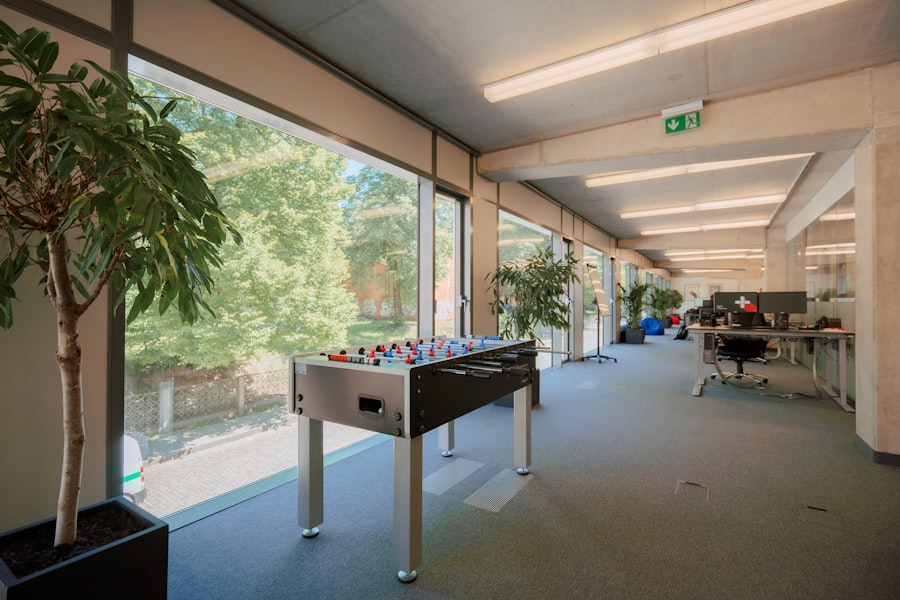
No transformation project is without its challenges, and organizations must be prepared to navigate unexpected hurdles along the way. Whether it be delays in construction timelines, budget overruns, or unforeseen structural issues, adaptability is key to overcoming these obstacles. Establishing contingency plans during the planning phase can help mitigate risks and ensure that the project remains on track.
Moreover, fostering a culture of resilience within the organization can empower employees to embrace change rather than resist it. Encouraging open dialogue about challenges faced during the transformation can lead to innovative solutions and strengthen team cohesion. By viewing obstacles as opportunities for growth, organizations can emerge from the transformation process stronger and more united than before.
Collaborative Efforts: Involving Employees in the Process
Involving employees in the office transformation process is essential for fostering a sense of ownership and commitment to the new space. Organizations can create opportunities for collaboration by soliciting input from employees at various stages of the project. This could include gathering feedback on design concepts or inviting employees to participate in workshops focused on envisioning their ideal workspace.
By actively engaging employees in decision-making processes, organizations can ensure that their needs are met while also promoting a culture of inclusivity. This collaborative approach not only enhances employee satisfaction but also leads to a more successful transformation overall. When employees feel valued and heard, they are more likely to embrace changes in their environment and contribute positively to the organization’s culture.
Technology Integration: Incorporating Modern Tools and Systems
As part of the office transformation process, integrating modern technology is crucial for creating an efficient and productive workspace. Organizations should assess their current technological infrastructure and identify areas where upgrades or new systems are needed. This may include implementing advanced communication tools, collaborative software platforms, or smart office solutions that enhance connectivity and streamline workflows.
Incorporating technology into the office design can also improve employee experiences. For instance, installing interactive displays in common areas can facilitate collaboration among teams, while mobile apps can help employees navigate shared spaces more effectively. By prioritizing technology integration during the transformation process, organizations can create an environment that supports innovation and enhances overall productivity.
Sustainability Initiatives: Making the Office Environmentally Friendly
In today’s world, sustainability has become a critical consideration in office transformations. Organizations have an opportunity to make environmentally conscious choices that not only benefit the planet but also resonate with employees who value sustainability. This may involve selecting eco-friendly materials for construction and furnishings or implementing energy-efficient systems that reduce overall consumption.
Additionally, creating green spaces within the office—such as indoor gardens or rooftop terraces—can enhance employee well-being while promoting biodiversity. Organizations can also encourage sustainable practices among employees by providing recycling stations or implementing policies that support remote work options when feasible. By prioritizing sustainability initiatives during the transformation process, organizations can demonstrate their commitment to social responsibility while creating a healthier work environment.
Final Results: Assessing the Impact of the Revamp
Once the office transformation is complete, it is essential to assess its impact on both employees and organizational performance. Gathering feedback through surveys or focus groups can provide valuable insights into how well the new space meets employee needs and expectations. Additionally, organizations should track key performance indicators (KPIs) related to productivity, collaboration, and employee satisfaction to gauge the effectiveness of the transformation.
The final results should be celebrated as a collective achievement that reflects the hard work and dedication of all involved in the process. Recognizing successes—both big and small—can reinforce a positive organizational culture while motivating employees to continue contributing to future initiatives.
Lessons Learned: Key Takeaways for Future Office Transformations
As organizations reflect on their office transformation journey, several key lessons can be gleaned for future projects.
Additionally, fostering collaboration among employees throughout the process can lead to more effective outcomes while enhancing team cohesion.
Finally, prioritizing sustainability initiatives not only benefits the environment but also resonates with employees who value corporate social responsibility. By applying these lessons learned from past transformations, organizations can continue to create dynamic workspaces that inspire innovation and drive success in an ever-evolving business landscape.
FAQs
What was the initial state of the Melbourne office space?
The initial state of the Melbourne office space was outdated, with old furniture and a lack of modern amenities. The space was not conducive to a productive and collaborative work environment.
What were the key challenges faced during the transformation process?
The key challenges faced during the transformation process included budget constraints, limited time for renovations, and the need to minimize disruption to the daily operations of the office.
How was the office space transformed?
The office space was transformed through a combination of strategic design changes, modern furniture and fixtures, and the incorporation of technology to enhance productivity and collaboration among employees.
What were the results of the transformation?
The transformation resulted in a modern, functional, and aesthetically pleasing office space that improved employee morale, productivity, and overall work satisfaction. The space also became more attractive to potential clients and visitors.
What were the key takeaways from the transformation process?
Key takeaways from the transformation process included the importance of careful planning, effective communication with stakeholders, and the value of investing in a well-designed and functional office space.


